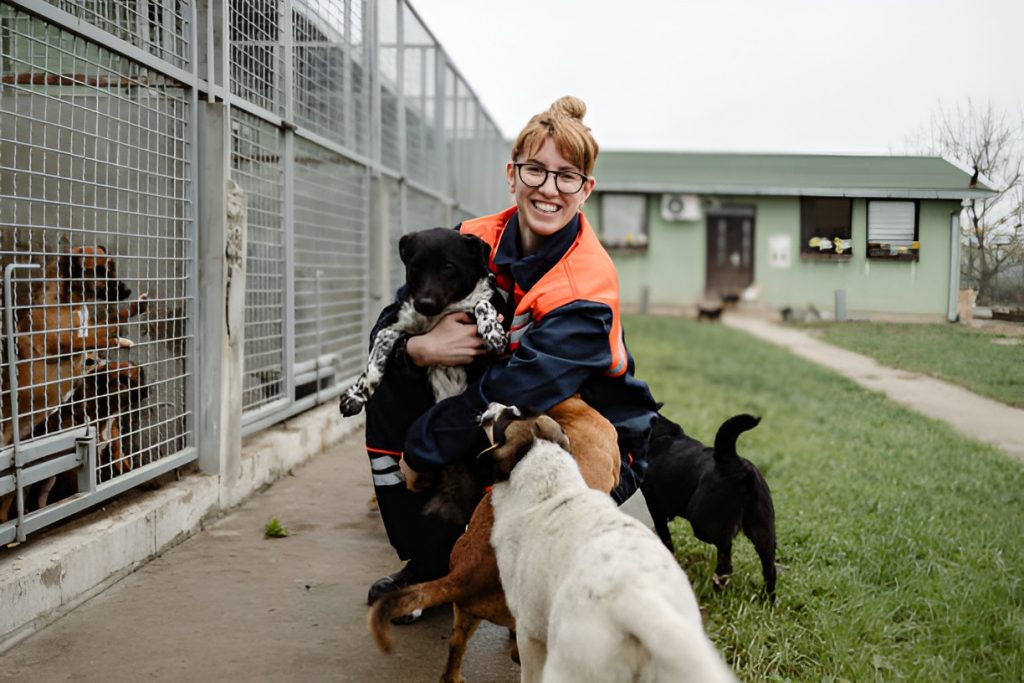
- Volunteers are the foundation of a successful dog rescue – clearly defined roles and careful recruitment ensure your team is passionate and dependable.
- Keeping volunteers motivated is crucial – training, recognition, and social engagement help retain committed helpers.
- Fundraising is essential for sustainability – use diverse strategies like crowdfunding, membership programs, donation drives, business partnerships, and grants.
- Efficient supply management keeps operations smooth – source donations, buy wholesale, and maintain an inventory of food, bedding, medical supplies, and enrichment items.
- Balancing volunteers, donations, and supplies requires organization – use scheduling, budgets, and clear communication to manage resources effectively.
- Community engagement and long-term planning maximize impact – hosting events, sharing updates, and educating the public help build loyalty and ensure the rescue’s lasting success.
Starting a dog rescue is a rewarding endeavor, but it’s also a big commitment. Beyond rescuing dogs, you need a solid plan for staffing, funding, and managing resources. Securing volunteers, donations, and supplies is essential for keeping your operation running smoothly. In this guide, we’ll break down the steps, strategies, and practical tips you need to get started.
Why Volunteers Are Essential for a Dog Rescue
Volunteers are the backbone of any dog rescue. They help with daily care, administration, fundraising, and outreach. Without committed volunteers, even the best-planned rescue can struggle to survive.
What Roles Can Volunteers Fill?
Volunteers can help in many areas:
- Dog care: Feeding, walking, grooming, and monitoring health.
- Administrative tasks: Filing adoption applications, managing databases, scheduling appointments.
- Fundraising and outreach: Organizing events, managing social media, writing newsletters.
- Transport and fostering: Driving dogs to veterinary appointments or temporary foster homes.
By clearly defining volunteer roles, you make it easier for people to get involved and stay committed.
How to Recruit Reliable Volunteers
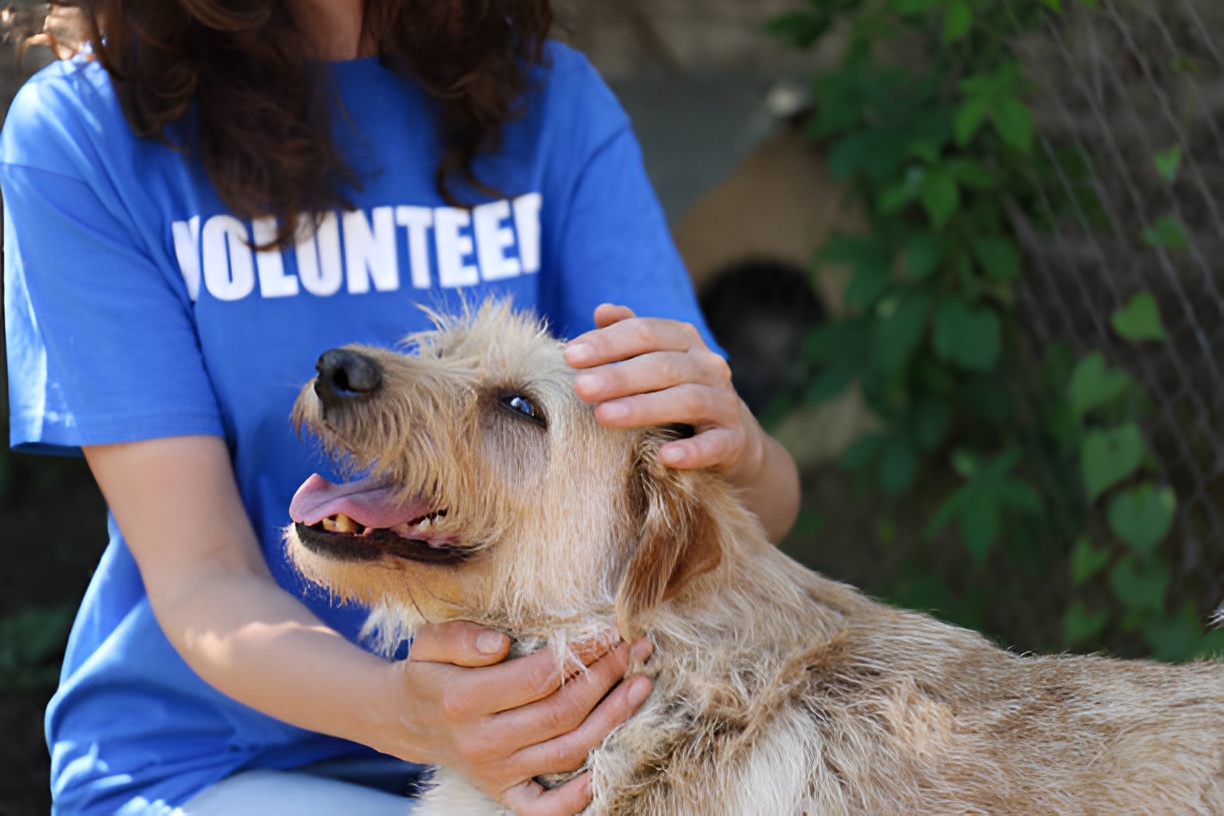
Recruiting the right volunteers requires a mix of outreach and clear communication. Here’s how to get started:
- Leverage local networks: Ask friends, family, and coworkers if they know people interested in dog rescue.
- Post on social media and community boards: Platforms like Facebook, Instagram, and Nextdoor are excellent for reaching pet lovers.
- Partner with local schools and colleges: Students studying veterinary sciences or animal behavior often seek hands-on experience.
- Host volunteer information sessions: Meet prospective volunteers in person or virtually to explain your mission and expectations.
- Screen volunteers carefully: Conduct interviews, ask for references, and set clear expectations to ensure reliability.
The goal is to build a team of volunteers who are passionate, dependable, and aligned with your mission.
How to Keep Volunteers Engaged and Motivated
Keeping volunteers motivated is just as important as recruiting them. High turnover can disrupt operations and increase stress. Some ways to retain volunteers include:
- Offer training sessions to help volunteers feel confident in their roles.
- Recognize their contributions publicly, through social media shout-outs or newsletters.
- Organize social events to build camaraderie and a sense of community.
- Provide clear schedules and task assignments to avoid confusion.
- Encourage feedback and suggestions for improving processes.
When volunteers feel appreciated and supported, they are more likely to stay long-term.
How to Start Fundraising for Your Dog Rescue
Even small dog rescues require consistent funding for food, medical care, and operational costs. Effective fundraising strategies include:
- Crowdfunding campaigns: Platforms like GoFundMe allow supporters to donate online easily.
- Membership programs: Offer supporters a chance to contribute regularly and receive perks like newsletters or merchandise.
- Donation drives: Collect essential items or funds during community events or online campaigns.
- Partnerships with local businesses: Pet stores, veterinary clinics, and other businesses may sponsor events or donate supplies.
- Grant applications: Research local or national grants for animal welfare organizations.
Many of the strategies used here are similar to those you would use if you were learning how to start an animal shelter, so it’s helpful to study both to maximize funding opportunities.
Tips for Successful Fundraising
- Be transparent about how donations will be used.
- Share success stories of rescued dogs to connect emotionally with potential donors.
- Provide multiple ways for supporters to give, from one-time donations to recurring contributions.
A strong fundraising strategy ensures your rescue can sustain its operations and continue helping dogs in need.
How to Source Supplies Efficiently

Supplies are another critical component of running a dog rescue. From food and bedding to toys and cleaning products, having enough resources is crucial.
Where to Get Supplies
- Donations from the community: Many people are willing to donate gently used items, pet food, or bedding.
- Wholesale suppliers: Buying in bulk from pet supply wholesalers can reduce costs.
- Partnerships with businesses: Local pet stores may donate items in exchange for publicity.
- Online marketplaces: Platforms like eBay or Craigslist often have affordable or free supplies.
Essential Supplies Every Rescue Needs
- Food and water bowls
- High-quality dog food
- Beds, blankets, and crates
- Leashes, collars, and harnesses
- Toys and enrichment items
- Cleaning supplies and disinfectants
- First-aid kits and basic medical supplies
Having a well-stocked supply inventory reduces stress and ensures you can provide consistent care for the dogs.
How to Balance Volunteers, Donations, and Supplies
Managing volunteers, donations, and supplies can be overwhelming, but planning and organization can make it manageable. Consider these tips:
- Maintain an inventory system to track donations and supplies.
- Use scheduling software or spreadsheets to manage volunteer shifts.
- Create a budget to prioritize spending and ensure funds go where they are most needed.
- Regularly communicate with your team about needs and progress.
Balancing these three elements helps your rescue operate smoothly and efficiently.
How to Foster a Community Around Your Dog Rescue
A strong community is invaluable for long-term sustainability. Supporters can help with fundraising, volunteering, and spreading the word about adoptable dogs.
- Host adoption events, fundraisers, or meet-and-greets to engage the community.
- Share regular updates on social media and newsletters to show your impact.
- Encourage volunteers and supporters to share their stories and experiences.
- Collaborate with other rescues or animal welfare groups to expand your reach.
Building a community around your rescue fosters loyalty, advocacy, and long-term support.
How to Handle Challenges in Running a Dog Rescue
Starting a dog rescue is fulfilling but comes with challenges. Being prepared for obstacles ensures you can address them effectively. Common challenges include:
- Volunteer shortages: Keep a waiting list of potential volunteers and rotate shifts to avoid burnout.
- Funding gaps: Diversify your fundraising efforts to prevent reliance on a single source.
- Medical emergencies: Establish relationships with local veterinarians for discounted care or emergency support.
- Space limitations: Utilize foster homes and temporary boarding to accommodate more dogs safely.
By anticipating challenges, you can build solutions before problems escalate.
How to Make a Lasting Impact
Starting a dog rescue is more than just providing temporary care. Your goal is to create a lasting impact on dogs’ lives and your community.
- Focus on responsible adoptions, matching dogs with suitable homes.
- Educate the public about animal welfare, spaying/neutering, and responsible pet ownership.
- Keep detailed records of dogs’ medical histories and care to ensure transparency.
- Continuously evaluate and improve your rescue’s operations to increase efficiency.
A successful rescue not only saves lives but also inspires others to contribute and advocate for animals.
Final Thoughts
How to start a dog rescue isn’t just about rescuing dogs—it’s about building a sustainable operation through volunteers, donations, and supplies. By carefully recruiting and supporting volunteers, creating effective fundraising strategies, and sourcing essential supplies, you can ensure your rescue thrives. With planning, community engagement, and a focus on the dogs’ well-being, your rescue can make a lasting difference in the lives of countless animals.