
Acquiring a commercial property represents a substantial investment that can yield impressive financial returns when executed with a clear plan. Business owners and real estate investors often enter the market seeking assets that fit their operational needs or growth goals. However, taking a building from purchase to full daily operation involves complex steps. Managing legal paperwork, structural checks, design plans, and contractor scheduling requires a careful and organized approach. Without a clean process, expenses increase rapidly, timelines fall behind, and hidden physical defects can destroy expected returns.
Having a practical roadmap helps buyers manage this complex process with confidence. Breaking the acquisition and rehabilitation journey into clear phases allows real estate investors to reduce risk and protect their capital. Working with a qualified commercial realtor early in the search ensures that target locations, property values, and zoning rules line up with long-term goals. From due diligence to the final tenant move-in, following a comprehensive master checklist ensures that every structural element, utility line, and legal document receives proper attention. This guide outlines the essential steps needed to locate, evaluate, buy, and overhaul commercial property efficiently.
Phase 1: Due Diligence and Legal Groundwork
Before signing a final purchase agreement or transferring escrow funds, buyers must perform deep due diligence. This research phase clarifies the true physical condition and legal standing of the asset. A proper evaluation looks far past property tax records and past income statements. Investors need to examine boundary lines, zoning rules, municipal code violations, environmental hazards, and title reports. Catching environmental issues or zoning conflicts early prevents severe legal disputes after closing.
Hiring a knowledgeable business lawyer early in the transaction protects buyers against title defects, restrictive land covenants, and bad contract terms. Legal counsel evaluates sales agreements, writes protective contingency clauses, and verifies that the property allows the buyer’s planned operations. Additionally, legal professionals help create holding companies, set up partnerships, and draft lease agreements for future commercial tenants.
Financial verification demands equal care. Buyers ought to audit past utility bills, tax assessments, repair histories, and service contracts. Verifying historical operational expenses gives investors an accurate baseline for future budgets. It also reveals hidden ongoing costs that could lower net operating profits over time. Taking time to verify financial records prevents unwelcome surprises once ownership transfers. A complete legal and financial check guarantees that the purchase price matches true property conditions.
Phase 2: Structural Inspections and Roofing
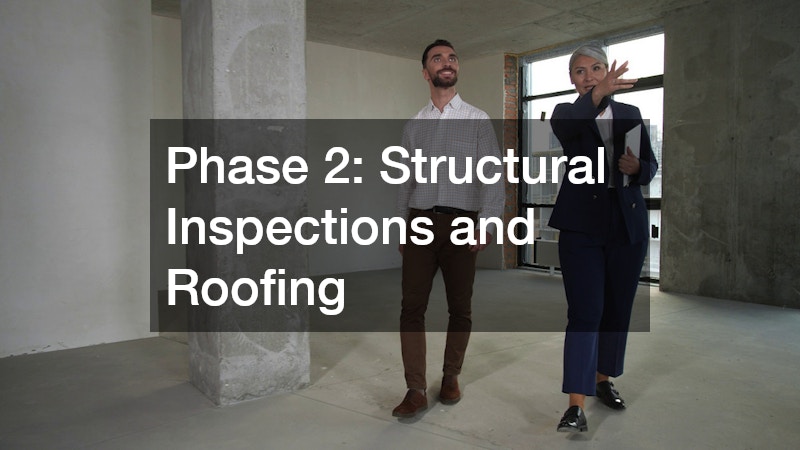
The structural shell of a commercial building guards interior space, machinery, and workers from weather damage. Inspecting this shell requires checking the foundation, load-bearing walls, steel support beams, exterior windows, and roof assemblies. Water penetration remains one of the primary threats to building materials. Ignoring small roof leaks during property inspections leads to timber rot, mold growth, and weakened structural framing down the road.
Hiring skilled local roofers to complete a thorough roof assessment is essential for long-term planning. Commercial roof systems, whether made of flat membrane, standing seam metal, or built-up asphalt, carry substantial replacement price tags. Qualified inspectors evaluate roof drainage slopes, flashings, membrane flexibility, and insulation wetness. They deliver realistic life expectancy figures and repair cost estimates, helping buyers request price reductions or repair allowances before finalized deals close.
In addition to the roof structure, inspectors must examine exterior walls, windows, and sealant joints. Water leakage frequently begins at wall junctions or around window frames. Brittle sealant allows rain to penetrate exterior walls, deteriorating masonry and ruining interior wallboard. Fixing envelope defects right away stops water intrusion before it turns into an expensive emergency restoration project after property ownership shifts.
Phase 3: Heating and Cooling Systems
Commercial indoor environments require proper climate control to protect occupants, maintain equipment, and support daily worker efficiency. Large heating and air conditioning units run under heavy daily workloads, making mechanical hardware one of the costliest property systems to maintain. Prospective owners must check the age, capacity, service records, and working condition of all heating and cooling units.
Arranging a detailed commercial HVAC Service evaluation during option periods gives buyers clear information about equipment status. Trained technicians measure compressor pressures, inspect heat exchangers, test duct distribution, balance blowers, and review energy use numbers. They also report whether existing units use phased-out refrigerants that could force complete equipment replacements soon.
Good air flow directly influences indoor environment quality and overall utility expenses. Modern commercial buildings depend on efficient airflow routing and ventilation hardware to regulate operational utility bills. Duct lines require checks for air leaks, internal debris, and correct sizing for floor plans. Upgrading older mechanical controls with modern smart thermostats lowers monthly electric bills. An honest evaluation of heating and cooling components allows property buyers to build realistic capital expense plans and ongoing maintenance schedules.
Phase 4: Plumbing Systems and Water Infrastructure
Plumbing infrastructure forms a crucial operational core within commercial properties. Heavy daily demands affect supply lines, sewer mains, restrooms, and backflow preventers. Older buildings frequently contain outdated galvanized iron or original cast pipes suffering from internal buildup, corrosion, or hairline fractures. A thorough plumbing review uncovers hidden line leaks, code problems, and capacity issues before major interior updates begin.
Hiring experienced local plumbers permits property buyers to complete video camera inspections on main sewer lines. Sewer camera surveys spot tree root intrusion, crushed lines, and pipe separation that normal checks miss. Plumbers also evaluate incoming water pressure, drain flow rates, backflow devices, and local municipal health compliance.
Hot water systems deserve focused evaluation during building inspections. Commercial sites often depend on large supply tanks or high-capacity tankless configurations for daily sanitation and cleaning operations. Checking a commercial water heater for rusted tanks, heating elements, pressure relief valves, and sediment buildup helps ensure continuous hot water service. Replacing an aging water heater early prevents unexpected hot water failures that can halt business operations or break health department rules.
Phase 5: Flatwork, Pavement, and Site Grounds
Exterior site conditions establish the initial impression for visiting clients, tenants, and delivery drivers. Beyond site appearance, paved surfaces like parking lots, loading bays, sidewalks, and retaining walls play a vital role in site safety and daily functionality. Damaged asphalt, uneven concrete walkways, and improper site drainage present tripping hazards that increase trip-and-fall liability exposure for real estate owners.
Hiring professional commercial concrete contractors is necessary to inspect, repair, or pour durable site flatwork. Concrete professionals examine loading zones, dumpster pads, entry stairs, and sidewalks for settling, surface chipping, and deep structural cracks. Heavy commercial delivery trucks rapidly destroy broken slabs, making rebar reinforcement and correcting slab depth essential for industrial sites.
Proper flatwork engineering also addresses surface water runoff. Pool water on concrete or asphalt speeds up material degradation and can seep toward building foundations. Concrete contractors construct trench drains, catch basins, and proper ground slopes to push runoff away from structures. Repairing damaged walkways ensures full compliance with national mobility standards. Investing in quality exterior flatwork minimizes ongoing upkeep expenses, improves traffic safety, and elevates property appeal.
Phase 6: Space Planning and Interior Design Upgrades

Turning an acquired building into an efficient, revenue-producing business space calls for careful interior floor planning. Floor layouts built for prior tenants rarely suit new operational requirements. Property owners should review interior room flow, partition placements, lighting efficiency, acoustic insulation, and surface materials. Thoughtful spatial planning improves interior movement while making full use of available square footage.
Managing a smooth commercial renovation project demands clear scheduling among designers, builders, tradespeople, and material suppliers. Renovations should balance eye-catching visual elements with physical durability. Choosing commercial-grade materials such as heavy-duty flooring, scuff-resistant paint, and moisture-rated ceiling tiles guarantees long surface life under daily workplace traffic. Designers also evaluate light fixtures, suggesting modern LED retrofits that brighten spaces while lowering electric bills.
Beyond basic appearances, interior redesigns ought to support daily work tasks and staff productivity. Removing non-load-bearing walls opens dark spaces for team collaboration, while setting up modular walls creates private offices or meeting rooms. Updating technology lines, including modern data cables and extra electrical outlets, supports modern digital business tools. Aligning interior features with business needs creates comfortable environments that attract quality tenants.
Phase 7: Perimeter Security and Access Control
Protecting commercial property guards expensive business assets, client records, and working personnel against theft or property damage. Physical protection plans start at outer property boundaries and extend to interior doors, data storage rooms, and management offices. Establishing physical barriers alongside controlled door access reduces risk exposure and provides total peace of mind.
Installing sturdy commercial fencing marks clear property borders while managing vehicle and visitor entry points. Fencing contractors install metal chain link options, steel decorative panels, or automatic drive gates tailored to site dimensions. Proper perimeter fencing deters trespassers, protects outdoor equipment storage yards, and clearly marks property edges. Adding keypad controls or card readers to gates permits smooth access for authorized staff and scheduled delivery trucks.
Inside property lines, hiring experienced commercial locksmiths establishes effective lock systems and key management. Locksmiths install heavy-duty mechanical deadbolts, master key setups, exit push bars, and digital keypads on main exterior and interior doors. They ensure emergency panic hardware meets fire codes and building safety laws. Updating key hardware prevents unapproved key copying and makes updating access privileges easy when employee turnover happens.
Phase 8: Permits, Accessibility, and Code Compliance
Navigating local municipal building rules is a vital step in any commercial property rehabilitation project. Starting work without proper building permits or ignoring local safety codes leads to costly stop-work directives, fines, and extended project delays. Property owners must work closely with local municipal code offices to secure all required construction permits before work begins.
Architectural drawings must satisfy national accessibility requirements, local fire safety regulations, and environmental rules. Standard renovations often require building wheelchair ramps, expanding narrow interior doorways, altering restroom layouts, and placing braille signs. Fire prevention guidelines require formal inspection of automatic overhead sprinklers, emergency illumination lights, smoke detectors, and commercial hood suppression units.
Consulting an active commercial realtor during code review steps helps owners assess how planned building improvements influence site value and rental income potential. Experienced real estate agents know what local tenants expect regarding physical accessibility and green energy features. Meeting all municipal requirements before applying for an official occupancy certificate prevents opening delays and creates a solid foundation for future property leasing or eventual sale.
Phase 9: Final Inspections, Punch Lists, and Closeout
The final stage of a property purchase and overhaul turns a active construction site into an operational commercial building. As construction finishes, project managers must complete thorough walkthroughs with general contractors to write a detailed punch list. This document records minor paint fixes, hardware tweaks, ceiling tile adjustments, and surface touch-ups that contractors must correct before final project invoices are settled.
After completing all punch list items, city building inspectors perform final walkthroughs to issue a Certificate of Occupancy. Operating a business without a valid occupancy certificate creates major legal problems and invalidates typical commercial property insurance coverages. Property owners must gather final lien waivers from all contractors, subcontractors, and building material suppliers to guarantee clear title status for the building.
Working with a business lawyer during lease preparation and tenant move-in ensures that maintenance duties, utility billings, and property rules are clear and legal. Lease contracts should define tenant obligations regarding shared parking areas, exterior signs, and routine building maintenance. A clear project closeout process guarantees that the updated commercial building moves smoothly into a revenue-generating asset backed by full legal protections.
Strategic Management for Long-Term Property Value
Navigating a commercial property purchase and complete building overhaul demands careful organization, accurate budgeting, and structured coordination among skilled service teams. From initial site searches to final tenant move-in, project success depends on complete physical inspections, realistic maintenance budgets, strict local code compliance, and reliable contractor management. Skipping essential due diligence checks or delaying necessary building repairs causes ongoing operating expenses that hurt overall investment profits.
A well-executed commercial rehabilitation balances immediate space needs with long-term property market value. Real estate buyers who spend time evaluating structural foundations, mechanical HVAC capacity, plumbing networks, exterior flatwork, and perimeter access set their properties up for steady daily performance. Working alongside qualified legal, real estate, structural, mechanical, and safety contractors keeps every phase of the project on track and within budget.
By managing acquisition and renovation as a single connected process, property owners convert aging real estate assets into clean, efficient commercial centers. Using a detailed master checklist removes stressful surprises, protects business capital, and builds strong financial value over time. With structured preparation, clear vendor expectations, and quality craftsmanship, commercial real estate projects deliver long-term business growth and consistent investment returns.