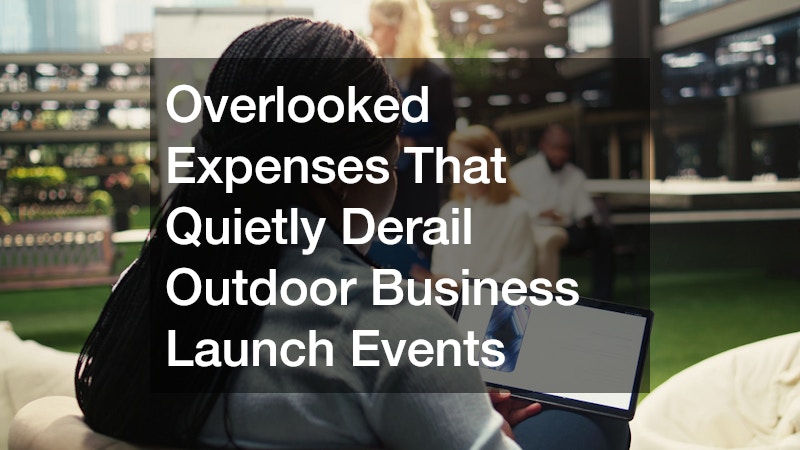
An outdoor launch event carries a particular kind of pressure. The venue is visible, the weather is unpredictable, and the logistics are layered in ways that indoor events simply are not. Companies that plan these events often build a budget around the obvious line items — catering, A/V equipment, printed materials, staff — and walk away feeling prepared. Then the invoices arrive. The gap between what was budgeted and what was actually spent tends to cluster around expenses that seemed minor during planning but compound quickly once the event date is close and options are limited.
Site Preparation Costs That Never Make the First Budget Draft
Most outdoor venues look camera-ready during a walkthrough and far less polished the week before an event. Grounds maintenance, surface leveling, and temporary pathway installation are costs that surface only after a site has been formally booked. If the ground is uneven — common in fields, parking lots, or raw commercial lots — event flooring or ground protection panels typically run between $1.50 and $4.00 per square foot, and covering even a modest 2,000-square-foot footprint adds up fast.
Electrical access is a separate problem. Outdoor sites rarely have adequate power hookups for simultaneous catering, lighting, sound, and climate equipment. Generator rental tends to run $300 to $900 per day depending on capacity, and that figure doesn’t include delivery fees, fuel consumption charges, or the cost of a licensed electrician to certify the connections — which some municipalities require.
Permits compound the issue. Noise ordinances, temporary structure permits, and fire marshal approvals are jurisdiction-specific, and the lead times to obtain them are often longer than event planners expect. A permit application filed two weeks before an event that requires 30 days of processing creates a genuine operational crisis, not just a paperwork inconvenience. Budget at least $500 to $1,500 for permit-related costs in most urban or suburban jurisdictions, and start the process no later than 60 days before the event date.
Shelter and Climate Control — Where Underspending Becomes Obvious
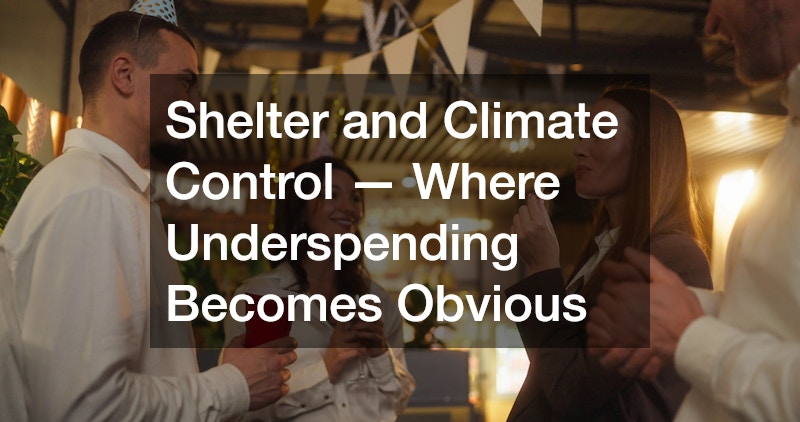
Weather is the variable most event planners acknowledge but consistently underbudget for. Covering attendees and equipment against sun, wind, or rain is not optional — it is a baseline operational requirement. The pricing for tent rentals varies significantly based on size, structure type, and the required setup complexity, and organizers often request quotes only for the tent itself, overlooking the cost of sidewalls, flooring, lighting packages, and weighted ballast systems for high-wind sites.
Climate control inside a tent is an entirely separate line. In summer months, high-output portable air conditioning units typically cost $400 to $800 per day per unit, and a large tent may require multiple units to be effective. Heating for spring or fall events runs a similar range. Neither is optional if the forecast is extreme — an overheated or cold attendee leaves early, regardless of how compelling the event content is.
There’s also the question of setup and breakdown labor, which tent providers often price separately from equipment rental. A tent requiring professional installation adds 20 to 40 percent to the base rental cost in most markets. Planners who receive a quote for the equipment alone and build their budget around that figure find the final invoice substantially higher.
Staffing Gaps and Logistics That Add Cost at the Last Minute
The staffing model for outdoor events breaks down differently than for indoor ones. There is more ground to cover, more variables to monitor, and more physical work involved in managing a dynamic outdoor environment. Companies that calculate staffing based on indoor event ratios routinely find themselves scrambling on the day.
Security is one of the most consistently underestimated staffing costs. For a business launch event with 200 or more attendees, licensed security personnel typically run $25 to $45 per hour per guard, and most venues and insurers recommend at least one guard per 75 to 100 attendees for events with alcohol service. Skipping this line item or understaffing it creates both a liability exposure and a practical crowd management problem.
Transportation and parking logistics reveal gaps at similar points. If the event site lacks sufficient parking — common for field-based or commercial lot venues — shuttle arrangements, valet services, or directional signage become operational necessities rather than optional amenities. Shuttle services for a mid-size event typically run $600 to $1,200 for a half-day booking, and that cost is almost always absent from early-stage budgets.
Last-minute equipment delivery fees are another consistent budget breach. Outdoor events require more physical infrastructure than indoor ones, and vendors charge premium rates for delivery windows that fall within 48 hours of an event. Building a 15 percent contingency specifically for logistics and staffing — separate from the general event contingency — is a more honest reflection of how these costs actually behave.
Insurance, Liability, and Post-Event Cleanup
Event insurance is one of the few expenses that planners regularly treat as optional until something goes wrong. A general liability policy for a mid-size outdoor business launch event typically runs between $300 and $800 for a one-day event, depending on attendance size, alcohol service, and venue requirements. Some venues require proof of coverage as a condition of contract, which makes this non-negotiable rather than a discretionary add.
Vendor liability is a related blind spot. If a third-party food or beverage provider operates at the event, their liability coverage should be verified separately. An incident involving a vendor’s equipment or food service that traces back to inadequate coverage can expose the event organizer to claims they assumed the vendor would absorb.
Post-event cleanup costs are almost always priced lower than they should be. Outdoor events generate more waste across a larger area, often require ground restoration if grass or soil has been disturbed, and may involve furniture or equipment that cannot be cleared until a vendor retrieves it the following day. Venue contracts frequently include cleanup penalty clauses — commonly $500 to $2,000 — if the site is not restored to its original condition by a specified time. Reading those clauses carefully before signing prevents an unpleasant charge after an otherwise successful event.
Building a Budget That Reflects How Outdoor Events Actually Work
The most useful shift in outdoor event budgeting is moving from a line-item model to a contingency-weighted one. Every category described above carries a realistic range, not a fixed price, and the variables — weather, jurisdiction, vendor availability — push costs toward the higher end more often than the lower. A budget built on best-case pricing for each category will underperform. One built on median-to-high estimates with a 15 to 20 percent unallocated contingency tends to hold. Collecting itemized quotes from at least three vendors per major category, and reading every contract for hidden fees before signing, narrows the gap between projected and actual spend considerably.