Every town has a quiet economic engine that most residents drive past without a second thought. Scrap yards take in materials that would otherwise sit in landfills for centuries and turn them into raw resources for new products, new jobs, and new revenue for local businesses. If you have ever wondered what actually happens to old appliances, construction debris, or discarded equipment, understanding this process can help you make smarter decisions about what you toss and what you sell. This article breaks down how these operations work, what they accept, and why they matter more to your community than you might realize.
Sorting Metal From Waste at the Yard
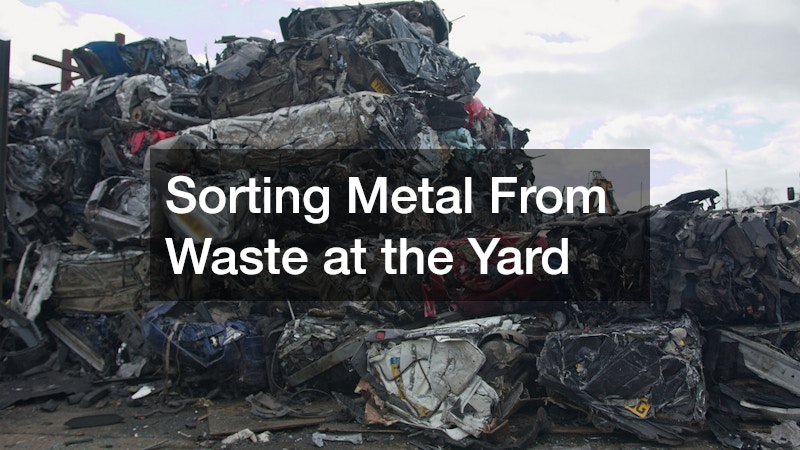
When materials arrive at a scrap yard, the first job is separating what has value from what does not. Workers and machinery sort ferrous metals like steel and iron from non-ferrous metals like copper, aluminum, and brass, since each category sells at a different price point. This sorting step determines how much a load is worth and where it ends up in the recycling supply chain. A well-run facility can process tons of mixed material in a single day, turning what looks like junk into organized, sellable commodities.
The accuracy of this sorting directly affects the local economy, because buyers downstream pay more for clean, well-separated loads. Mills and manufacturers rely on consistent quality, so yards that sort carefully build stronger relationships with industrial buyers and keep more money circulating in town.
- Ferrous metals are pulled using magnets and identified by weight and rust patterns
- Non-ferrous metals are separated manually or with eddy current separators
- Wiring and electronics often get broken down further to recover copper
- Contaminated loads are cleaned before they can be sold to mills
Turning Old Equipment Into Usable Parts
Not everything that comes through the gate is scrapped outright. Tools, machinery, and construction equipment often get inspected for reusable components before anything gets shredded. For example, self feeding drills that arrive with worn bits but intact motors can sometimes be refurbished and resold to contractors at a fraction of retail cost, giving the equipment a second working life instead of an early retirement.
This inspect-before-you-shred approach keeps usable tools circulating in the local trades community, which benefits small contractors and DIY homeowners alike. It also reduces the volume of material that needs full processing, saving energy and labor at the facility.
- Motors and gearboxes are tested before a decision is made to scrap or repair
- Working parts are cataloged and sold separately from scrap metal
- Contractors often check yards first when sourcing affordable used tools
- Refurbished equipment reduces demand for new manufacturing
Recovering Materials From Event and Entertainment Gear
Scrap yards do not just deal with construction debris and old cars. Retired commercial and industrial equipment from unrelated industries also passes through, including gear nobody expects to see in a scrap pile. A local stage lighting equipment supplier, for instance, might send in decommissioned fixtures once bulbs, wiring, or housings become obsolete, and the aluminum housings and copper wiring inside get reclaimed rather than dumped.
This kind of cross-industry recycling shows how broad the scrap economy really is. Any business with aging equipment, from theaters to concert venues, has a disposal option that keeps materials useful instead of letting them rust in a warehouse.
- Aluminum housings from lighting rigs are highly recyclable
- Copper wiring inside fixtures is recovered and resold
- Obsolete electronics are dismantled for circuit board metals
- Businesses can offset disposal costs by selling scrap volume
Keeping Money and Jobs Inside the Community

The financial ripple effect of this kind of operation extends well beyond the property line. Local haulers, mechanics, and small businesses depend on the steady stream of cash that flows when people bring in materials for payment. Every transaction, whether it is a homeowner cashing in an old water heater or a contractor unloading a truck of construction debris, puts money back into circulation at the neighborhood level.
These facilities also create direct employment, from equipment operators to office staff handling transactions and paperwork. In smaller towns, a recycling operation can be one of the more stable employers because demand for recycled metal rarely disappears entirely, even when other industries slow down.
- Local haulers earn income transporting materials to and from the facility
- The business employs sorters, operators, drivers, and administrative staff
- Cash payments for scrap support household budgets during tough months
- Tax revenue from the operation supports local infrastructure
Reducing Landfill Waste Through Smart Processing
Every ton of metal diverted from a landfill is a ton that does not take up space or leach contaminants into soil and groundwater. Steel, copper, aluminum, and iron are essentially permanent materials that never break down, meaning a rusted car frame or an old washing machine buried in a landfill will still be sitting there in a hundred years, occupying volume that could have been reclaimed for other waste. Local recycling operations play a direct role in extending the lifespan of municipal landfills by pulling out materials that would otherwise sit there indefinitely. This matters more than most people realize, since landfill space is limited and expensive to expand once a town outgrows its current capacity. Opening a new landfill cell or acquiring adjacent land often requires environmental studies, public hearings, and capital costs that can run into the millions, expenses that get passed along to taxpayers through higher waste fees. Every load of scrap metal a yard processes instead of burying is, in effect, a small subsidy against those future costs. Smart processing also addresses the contamination risk that raw metal waste poses when left to degrade. Rusting metal can leach heavy elements into surrounding soil, and in older landfills without modern liners, that runoff can eventually reach groundwater supplies used by nearby residents. By sorting and removing metals before they reach the landfill, scrap yards reduce the chemical burden that local environmental systems have to absorb over time. Beyond space and contamination, there is a simple efficiency argument: landfill compaction equipment works harder and burns more fuel when it has to crush and bury bulky, irregularly shaped metal objects. Removing appliances, vehicle parts, and construction debris before they arrive at the landfill lightens that load, letting the facility run more efficiently and stretch its operating budget further.
Beyond space savings, recycling metal uses significantly less energy than mining and refining new ore. Producing aluminum from recycled scrap, for instance, can use up to 95% less energy than producing it from raw bauxite, while recycled steel cuts energy use by roughly 60% to 74% compared to virgin steel production. Copper and brass follow similar patterns, since melting down existing metal skips the energy-intensive steps of extraction, crushing, and chemical refining. That energy savings translates into lower emissions and a smaller environmental footprint for the entire region. Less energy demand means fewer fossil fuels burned at power plants, which lowers the carbon footprint tied to everything the local scrap yard processes. It also reduces the water contamination and habitat disruption that typically come with mining operations. These benefits ripple outward to the whole community, whether residents ever set foot in a scrap yard or not. Cleaner air, reduced strain on local power grids, and less industrial runoff all improve quality of life for everyone nearby. In this way, a single scrap yard’s daily operations quietly support public health and environmental goals that a town might otherwise struggle to meet.
- Recycled steel uses up to 75 percent less energy than newly mined steel, cutting fuel costs and carbon output at every mill it supplies
- Smart sorting separates ferrous metals, aluminum, and copper on-site, so only true waste ever reaches a landfill truck
- This sorting extends the operational life of local landfills, delaying costly expansions that towns would otherwise fund through taxes
- Lower emissions result from reduced mining and ore processing, since scrap replaces raw material extraction
- Communities save on long-term waste management costs, including hauling, tipping fees, and land needed for future disposal sites
- Diverted metal also reduces groundwater contamination risks tied to buried scrap and rusting debris
The next time you consider throwing out an old appliance, broken tool, or outdated piece of equipment, think about the local economy that benefits when you choose to recycle instead. Scrap yards are doing more work behind the scenes than most residents give them credit for, from creating jobs to keeping landfills from overflowing. Before your next cleanout, look up a reputable facility near you and ask what they accept, since you might be surprised at how much value is sitting in your garage or storage unit.