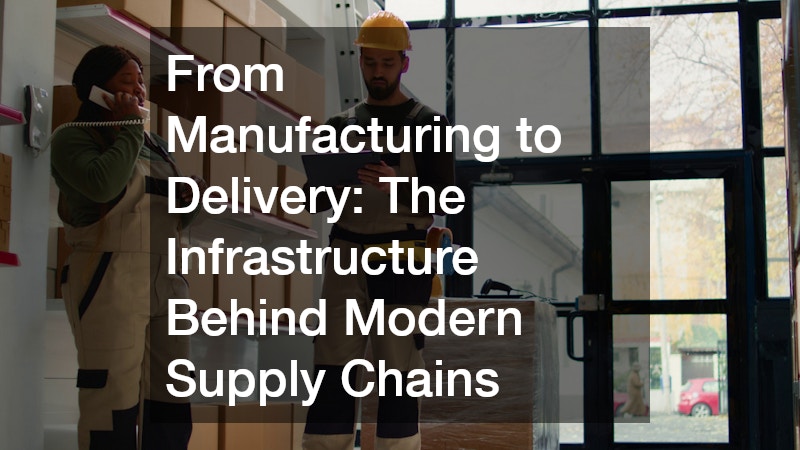
Modern supply chains are far more complex than they were even just a few decades ago. What used to be a relatively straightforward process of manufacturing goods and shipping them to retailers has evolved into a sophisticated network of systems, services, and infrastructure that span across multiple industries. Businesses today must coordinate production, storage, logistics, transportation, and service operations to ensure that products move smoothly from the factory floor to the end customer. Every stage of this journey relies on specialized equipment, skilled professionals, and well-planned operational strategies.
From the earliest decisions about where to locate production facilities to the systems used to track deliveries and maintain equipment, each component of the supply chain plays an important role in overall efficiency. When these systems work together effectively, companies can reduce costs, meet delivery deadlines, and maintain high levels of customer satisfaction. Understanding the infrastructure behind modern supply chains helps businesses identify opportunities to improve efficiency, manage risks, and support long-term growth.
Planning Locations That Support Efficient Production
The foundation of any supply chain begins with deciding where production and distribution facilities should be located. Strategic planning at this stage can significantly influence transportation costs, labor availability, and market accessibility. Businesses carefully evaluate potential regions based on access to highways, railways, ports, and airports, as well as the availability of skilled workers and supportive economic conditions.
Manufacturing site selection often involves balancing several competing priorities. Companies may want to be close to raw material suppliers, but they also need convenient access to distribution networks and major consumer markets. Government incentives, infrastructure quality, and regulatory considerations can also play a role in determining the best location for new facilities.
Choosing the right location can reduce transportation time, lower operational costs, and improve responsiveness to market demand. A well-positioned facility allows businesses to ship products faster and more efficiently, which is particularly important in industries where customers expect rapid delivery. As supply chains continue to grow more global, strategic location planning remains one of the most important decisions a company can make.
Designing Storage Systems That Maximize Space
After production begins, products and materials must be stored efficiently before they move through the next stages of the supply chain. Warehouses and distribution centers serve as critical hubs where inventory is organized, tracked, and prepared for shipment. Effective storage systems help businesses maintain accurate inventory levels while ensuring that products can be accessed quickly when needed.
One of the most common solutions used in modern warehouses is pallet racking, which allows companies to store large quantities of goods vertically rather than spreading them across the floor. By using vertical space, facilities can dramatically increase their storage capacity without expanding the physical footprint of the building.
Organized storage systems also make it easier for warehouse workers to locate products, process orders, and move inventory efficiently. This becomes especially important as e-commerce growth places increasing pressure on distribution centers to process orders quickly and accurately. Well-designed warehouse layouts contribute to smoother operations and reduce the risk of errors or delays.
Managing Packaging Waste and Recyclable Materials

Large distribution centers and manufacturing facilities generate significant amounts of packaging waste. Cardboard boxes, plastic wrapping, and other materials accumulate quickly during production and shipping processes. Without proper waste management systems, these materials can create clutter, reduce efficiency, and increase disposal costs.
A baler machine is often used to compress recyclable materials into tightly packed bundles that are easier to transport and store. By compacting cardboard and plastic waste, businesses can reduce the amount of space needed for waste storage and simplify recycling processes.
This type of equipment also supports sustainability initiatives by encouraging recycling and reducing landfill waste. Many facilities partner with recycling providers that collect compacted materials and repurpose them for future use. In addition to improving operational efficiency, effective waste management practices help companies meet environmental goals and regulatory requirements.
Safely Handling Large Equipment and Heavy Materials
Industrial facilities frequently need to move large pieces of machinery, raw materials, and structural components. These tasks require specialized equipment and trained professionals who understand how to safely lift and position heavy loads.
Rigging plays an important role in this process. Skilled rigging teams use cranes, hoists, slings, and other lifting equipment to move heavy machinery and structural components with precision. Their work is particularly important during equipment installations, facility expansions, and construction projects.
Proper rigging techniques reduce the risk of accidents, equipment damage, and costly delays. By ensuring that heavy items are moved safely and accurately, rigging professionals help facilities maintain productivity while protecting both workers and valuable equipment.
Maintaining Critical Lifting Equipment
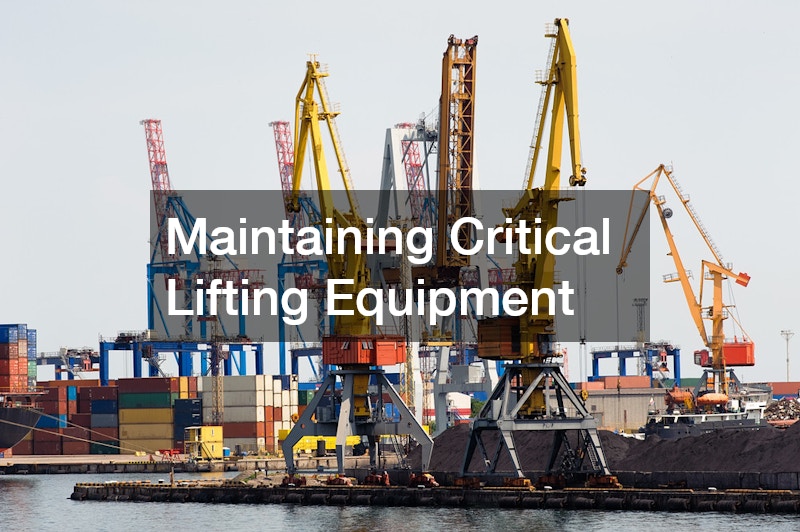
Cranes and other heavy lifting machines are essential tools in many industrial environments. These machines are used to transport materials, assemble equipment, and support construction and manufacturing operations. Because they handle extremely heavy loads, they must be maintained carefully to ensure safety and reliability.
Professional crane repair services help identify mechanical issues, worn components, and structural problems before they lead to equipment failure. Routine inspections, preventative maintenance, and timely repairs allow businesses to keep their lifting equipment in optimal condition.
Preventive maintenance is particularly important because unexpected equipment failures can disrupt operations and lead to costly downtime. By investing in regular maintenance services, companies can extend the lifespan of their equipment while maintaining safe working conditions for employees.
Supporting Production with Essential Utility Systems
Industrial facilities rely on several utility systems to support daily operations. Heating, steam generation, and water treatment systems often play an important role in manufacturing processes. Maintaining these systems properly ensures that production environments remain safe and efficient.
A well-maintained boiler system is commonly used to provide heat and steam for various industrial applications. Boilers support manufacturing processes, provide facility heating, and power certain types of machinery.
Regular maintenance, water treatment, and system inspections are necessary to keep boilers operating efficiently. Without proper care, boilers can become less efficient or develop safety risks that may disrupt production. Preventative maintenance programs help facilities maintain consistent performance while avoiding costly repairs or system failures.
Coordinating Distribution Through Logistics Partners
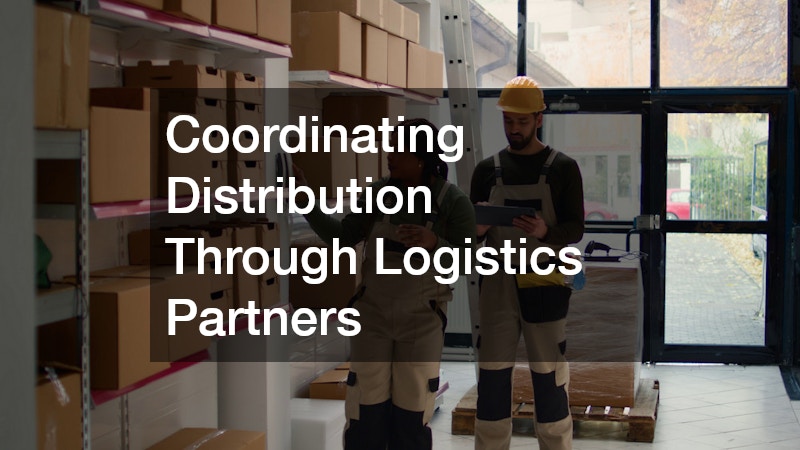
Once products are manufactured and packaged, they must be transported through a distribution network that connects warehouses, retailers, and customers. Logistics providers play a central role in coordinating these movements.
Many businesses rely on third-party providers to manage their shipping and distribution processes. A 3pl freight fulfillment provider handles tasks such as inventory storage, order processing, packaging, and transportation coordination. By outsourcing these responsibilities, companies can focus on product development and customer relationships while logistics specialists handle the complexities of shipping and distribution.
Third-party providers often have access to advanced logistics technology, established transportation networks, and experienced staff. These advantages allow them to optimize shipping routes, reduce transportation costs, and improve delivery times.
Maintaining Temperature-Sensitive Distribution Networks

Some products require specialized transportation conditions to maintain their quality and safety. Perishable foods, pharmaceuticals, and certain chemical products must remain within strict temperature ranges throughout the entire distribution process.
Cold chain logistics refers to the systems and infrastructure used to maintain temperature-controlled environments during storage and transportation. Refrigerated warehouses, insulated containers, and monitoring technology help ensure that products remain within safe temperature limits.
Maintaining consistent temperature control is essential for preserving product quality and meeting regulatory requirements. Even minor temperature fluctuations can compromise certain products, making reliable cold chain systems a critical component of many supply chains.
Keeping Commercial Vehicles Operating Efficiently
Transportation fleets form the backbone of many distribution networks. Trucks and delivery vehicles transport goods between factories, warehouses, distribution centers, and retail locations. Keeping these vehicles in good working condition is essential for maintaining reliable delivery schedules.
Diesel shops specialize in servicing heavy-duty engines and commercial vehicles used in transportation fleets. These facilities perform routine maintenance such as oil changes, brake inspections, and engine diagnostics, as well as more complex repairs.
Proper maintenance ensures that trucks remain safe, fuel-efficient, and capable of handling demanding transportation routes. By maintaining their fleets effectively, logistics providers can reduce downtime, improve fuel efficiency, and extend the lifespan of their vehicles.
Using Digital Systems to Coordinate Service Operations
Technology plays an increasingly important role in managing supply chain operations. Digital tools allow businesses to track inventory, schedule repairs, coordinate shipments, and manage customer interactions more efficiently.
For service-based businesses that maintain fleets or repair vehicles, an automotive shop management system helps streamline daily operations. These platforms allow businesses to schedule repairs, manage parts inventory, track service histories, and communicate with customers.
Digital management systems also generate valuable data that businesses can use to improve operational efficiency. By analyzing service records and performance metrics, companies can identify trends, optimize maintenance schedules, and improve overall service quality.
Increasing Visibility Across Complex Networks
Modern supply chains generate large amounts of data from various sources, including warehouse systems, transportation tracking platforms, and maintenance records. Integrating this data allows businesses to gain greater visibility into their operations.
With improved visibility, companies can identify bottlenecks, monitor inventory levels, and track shipments in real time. This information enables managers to make better decisions and respond quickly to unexpected disruptions.
Improved transparency also enhances communication between supply chain partners. Manufacturers, logistics providers, and distributors can share information more effectively, ensuring that each stage of the supply chain operates smoothly.
In addition to improving coordination, centralized data systems help organizations forecast demand and plan inventory more accurately. By analyzing historical performance data and shipping patterns, businesses can anticipate seasonal trends and adjust production schedules accordingly. This level of insight also helps companies allocate resources more efficiently, reducing excess inventory and minimizing delays caused by stock shortages. As supply chains grow more complex and global, the ability to analyze and share accurate data becomes a key advantage for organizations seeking to maintain reliability, efficiency, and strong relationships with partners and customers.
Preparing for Growth and Changing Market Demand
As businesses expand and markets evolve, supply chains must adapt to changing demand patterns. Seasonal fluctuations, product launches, and shifts in consumer behavior can all affect inventory levels and transportation requirements.
Flexible infrastructure helps companies respond to these changes without sacrificing efficiency. Scalable storage systems, adaptable logistics partnerships, and flexible transportation networks allow businesses to increase or decrease capacity as needed.
Planning for scalability ensures that companies can grow their operations while maintaining consistent service levels. Facilities designed with flexibility in mind are better prepared to handle future expansion and changing market conditions.
Improving Sustainability and Environmental Responsibility
Sustainability has become a major priority for many businesses involved in manufacturing and logistics. Companies are increasingly seeking ways to reduce waste, improve energy efficiency, and lower their environmental impact.
Recycling programs, energy-efficient equipment, and optimized transportation routes all contribute to more sustainable supply chain operations. Equipment that compresses recyclable materials, efficient heating systems, and well-maintained transportation fleets help reduce emissions and resource consumption.
Sustainable practices also support long-term cost savings by improving efficiency and reducing waste. As environmental regulations become stricter and consumer expectations evolve, sustainability will continue to shape supply chain strategies.
Preparing for the Future of Global Distribution
The future of supply chains will likely involve greater use of automation, artificial intelligence, and advanced analytics. Robotics in warehouses, predictive maintenance for industrial equipment, and data-driven logistics optimization tools are already transforming the industry.
These innovations promise to improve efficiency, reduce operational costs, and provide greater visibility across complex distribution networks. Automated systems can process orders more quickly, while predictive analytics can help businesses anticipate demand and prevent equipment failures.
Despite these technological advancements, the fundamental goal of supply chain management remains unchanged: ensuring that products move efficiently from production facilities to customers.
Building Strong Infrastructure for Long-Term Success
The infrastructure behind modern supply chains includes far more than just transportation networks. It encompasses facility planning, warehouse design, equipment maintenance, logistics coordination, and digital management systems. Each component plays a critical role in supporting the flow of goods through the global economy.
Companies that invest in reliable equipment, skilled professionals, and advanced technology are better positioned to manage the challenges of modern logistics. By strengthening every stage of the supply chain, businesses can create systems that are efficient, resilient, and capable of supporting long-term growth.
As global commerce continues to evolve, supply chains will become even more interconnected and technologically advanced. Organizations that understand the importance of infrastructure, and continue to improve it, will remain competitive in an increasingly complex marketplace.