A sudden system failure rarely happens without warning signs that were easy to miss. Whether it is a flickering breaker, a warm walk-in cooler, or a strange smell near the roofline, small clues often show up long before a full shutdown hits your wallet. Learning to recognize these signals and act early can save homeowners and property owners thousands of dollars in emergency repairs and lost time. This guide breaks down the most common facility systems that fail unexpectedly and how consistent monitoring keeps them running.
Why Continuous Monitoring Matters for Every System
Emergency shutdowns almost always cost more than routine maintenance, both in dollars and in disruption. Industry estimates suggest unplanned downtime can run three to five times higher than the cost of a scheduled repair, once you factor in emergency labor rates, expedited parts, and lost productivity. A furnace that dies in January or a refrigeration unit that quits during a heat wave forces you into reactive spending instead of planned budgeting.
Monitoring simply means paying attention to how your systems perform over time, rather than waiting for them to fail completely. This might include tracking vibration levels on motors, temperature swings in cooling systems, or pressure changes in compressors. When you understand what normal operation looks like, abnormal behavior becomes much easier to spot.
That baseline matters for every system in a facility, not just the obvious mechanical ones. Electrical panels, water systems, and even network infrastructure all have performance patterns worth watching. Small deviations caught early are almost always cheaper to fix than the full failures they eventually cause.
Property owners who track performance trends tend to catch problems while they are still minor and inexpensive to fix. A gradual rise in energy bills, a compressor cycling more often than usual, or a faint vibration in a pump can all signal wear long before a breakdown occurs. Catching these signs early often means a $200 repair instead of a $10,000 emergency replacement.
This applies to homes, small businesses, and larger commercial properties alike, since every building depends on interconnected systems—HVAC, electrical, plumbing, and refrigeration—that wear down gradually and rarely fail without warning. A single overlooked issue, like a failing bearing or a clogged filter, can cascade into problems affecting other connected systems.
The goal is not to become an expert technician overnight, but to build enough familiarity with your building’s normal baselines to recognize when something looks, sounds, or reads off. That awareness is what tells you when it’s time to call in professional help before a small issue becomes a costly shutdown.
Keeping Climate Control Systems Running Smoothly
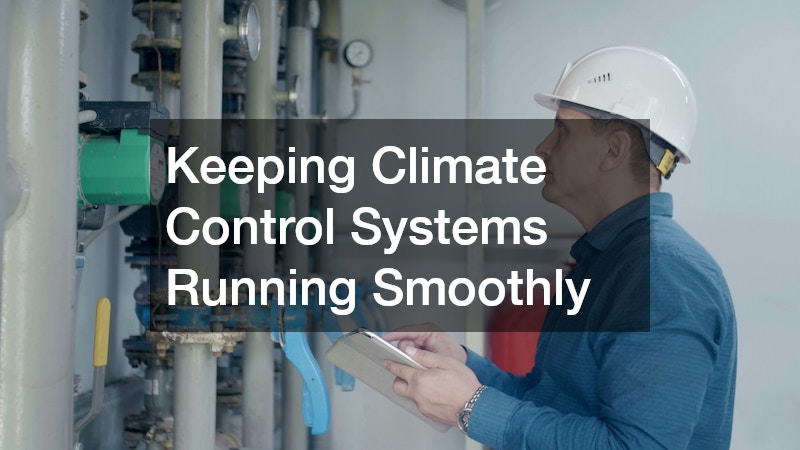
Heating and cooling systems are some of the most expensive components in any building to replace on an emergency basis. Strange noises, inconsistent temperatures, and rising energy bills are all early indicators that a system is struggling before it fails outright. Many commercial HVAC companies now offer monitoring agreements that track performance data remotely, flagging issues like refrigerant leaks or failing compressors before they cause a full breakdown.
Regular filter changes, coil cleaning, and duct inspections extend equipment life significantly and reduce the odds of a mid-season failure. Property owners who schedule seasonal checkups rather than waiting for a breakdown typically spend far less over the life of the system.
- Watch for uneven heating or cooling between rooms
- Listen for grinding, rattling, or clicking sounds during startup
- Track monthly energy bills for unexplained spikes
- Note any unusual odors when the system runs
Protecting Refrigeration and Cooling Equipment
Refrigeration failures are especially costly because they often lead to spoiled inventory on top of the repair bill itself. A single walk-in cooler outage overnight can destroy thousands of dollars in perishable stock, and that loss usually dwarfs the cost of the actual repair. Smart sensors that track temperature drift, compressor cycling, and energy draw can flag a unit that’s working harder than normal long before it fails outright.
A commercial ice machine that starts producing less ice or cloudy cubes is usually signaling a mineral buildup, a refrigerant issue, or a failing component that needs attention before it stops working entirely. Reduced output often points to a clogged water filter or scaled-up evaporator plate, while cloudy or misshapen cubes can indicate a water quality problem or a struggling pump. These are the kinds of symptoms staff notice anecdotally but rarely report until the machine stops making ice altogether.
Catching these changes early prevents a full shutdown during a busy week when replacement parts might be backordered for days. It also gives facility managers time to schedule a technician during off-peak hours instead of paying rush rates for emergency service. For businesses running multiple units across several locations, monitoring trends across the fleet can even reveal which machines are aging faster and should be prioritized for preventive maintenance or replacement.
Walk in cooler repair is another area where waiting too long turns a minor fix into a major expense. A unit that’s just a few degrees off may not seem urgent, but refrigeration systems tend to fail in a slow decline rather than all at once, and by the time food safety is visibly at risk, the compressor or evaporator coil may already be badly damaged.
Warmer-than-normal interior temperatures, frost buildup around the door seals, or a compressor that runs constantly are all warning signs worth investigating right away. Other red flags include water pooling on the floor, unusual clicking or buzzing from the condenser fan, and doors that no longer close flush against worn gaskets. Any one of these on its own might be minor, but together they often signal a system working harder than it should just to keep up.
Keeping a simple temperature log and checking it daily makes these problems obvious long before spoiled goods force an emergency call. Most walk-in coolers should hold steady between 35°F and 38°F, so even a two- or three-degree drift sustained over several hours is worth flagging. Pairing that log with a monthly gasket and coil inspection catches slow leaks and dust buildup before they escalate into a full compressor failure, which can cost thousands of dollars and days of downtime to repair.
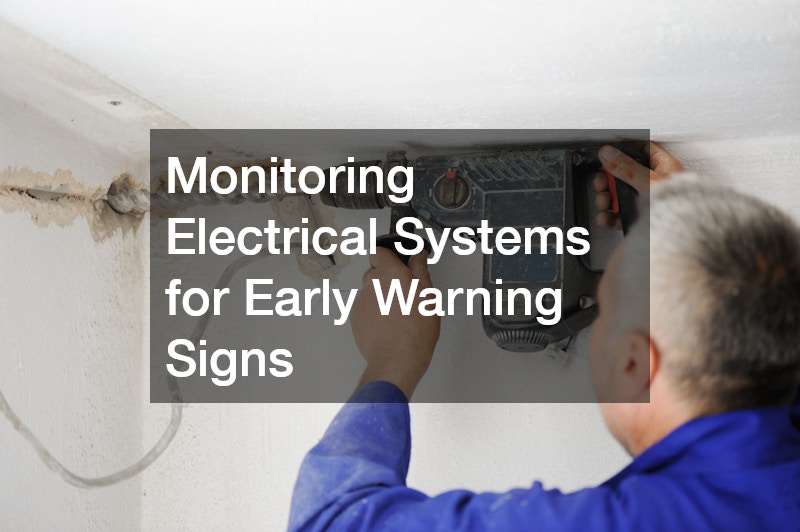
Monitoring Electrical Systems for Early Warning Signs
Electrical issues are among the most dangerous problems to ignore, since they carry fire risk in addition to the cost of downtime. Flickering lights, warm outlets, tripped breakers that reset frequently, and a persistent burning smell are all signs that wiring or panel components may be overloaded or failing. Discolored outlet covers, buzzing sounds from panels, and breakers that feel hot to the touch are further red flags worth logging and reporting immediately.
Smart monitoring sensors can track voltage fluctuations and amperage draw continuously, flagging abnormal spikes long before a human would notice a problem. This is especially valuable for equipment that runs unattended overnight or during off-hours, when early warning signs might otherwise go unnoticed until a full failure occurs.
A qualified commercial electrician can perform a thermal imaging scan to spot hot connections before they become a hazard. These scans typically cost far less than emergency repairs and are worth scheduling annually, or immediately after any near-miss incident like a tripped breaker with no obvious cause.
Older buildings in particular benefit from periodic electrical audits, since wiring standards and load demands change over time—many facilities built before the 1990s were designed for far lower electrical loads than today’s servers, HVAC systems, and equipment require. A qualified electrician can assess panel capacity, check for outdated breakers, and flag insulation or wiring that no longer meets code.
Adding new equipment without checking panel capacity is one of the most common causes of unexpected outages. A single new piece of machinery or server rack can push a panel past 80% of its rated load, tripping breakers or overheating connections during peak demand.
- Test GFCI outlets monthly in kitchens, bathrooms, and outdoor areas by pressing “test,” then “reset,” to confirm they trip and restore power correctly
- Watch for discoloration, scorch marks, or a burning smell around switches and outlets, which signal overheating wires
- Note breakers that trip more than once a month, since repeated trips often point to overloaded circuits or failing components
- Feel for warm outlet covers or panel doors, which can indicate loose connections before visible damage appears
- Keep panel access clear for inspections, with at least 3 feet of open space in front of the panel
- Schedule a professional thermal scan annually to catch hot spots in wiring and connections invisible to the naked eye
Watching Your Roof Before Small Leaks Become Big Problems
Roof damage is easy to overlook because most of it happens out of sight. A small leak can quietly cause structural rot, mold growth, and insulation damage for months before it becomes visible inside the building. Scheduling a seasonal inspection with a commercial roofing company helps catch loose flashing, ponding water, or worn membrane sections before a storm turns them into a collapsed ceiling.
Weather extremes accelerate wear, so roofs that go unchecked after a hailstorm or heavy snow load are at higher risk of sudden failure. Documenting the roof’s age and material type also helps you plan ahead for replacement rather than being caught off guard by a full system failure.
Managing Kitchen Grease and Waste Systems Safely
Kitchens generate waste byproducts that require careful handling to avoid both mechanical failures and code violations. A cooking oil tank that is not emptied and inspected on schedule can overflow, clog drainage lines, or become a fire risk if grease builds up near heat sources. Tracking collection schedules and checking tank levels regularly prevents the kind of overflow that can shut down a kitchen for days.
Grease trap and tank maintenance is often required by local health codes, so staying ahead of it protects both your equipment and your compliance status. A simple maintenance log showing pickup dates and inspection notes makes it easy to prove due diligence if questions ever come up.

Monitoring During Renovations and New Construction
Active construction sites introduce their own set of risks that require constant attention to avoid costly delays. Commercial construction projects involve dozens of moving parts, from structural framing to utility hookups, and a missed inspection point can halt an entire project. Site supervisors who track progress against a detailed schedule catch scope creep and code issues before they turn into expensive rework.
Larger projects that rely on crane services face additional monitoring needs, since lift schedules, weather conditions, and load limits all affect safety and timing. Delays in crane availability or scheduling conflicts can ripple through an entire project timeline, so having a backup plan for equipment access reduces the risk of a stalled job site.
Keeping Your Property Visible and Compliant
Signage might seem like a minor detail compared to mechanical systems, but it plays a real role in safety and communication during any facility issue. Custom signage that clearly marks exits, hazard zones, or temporary closures helps visitors and employees respond correctly when something does go wrong. Faded, damaged, or outdated signs should be replaced quickly, since they can create confusion during an emergency shutdown or inspection.
Many local codes also require specific signage for accessibility, fire safety, and occupancy limits, so keeping these updated avoids fines in addition to improving safety. A quick walkthrough every few months to check sign visibility and condition is an easy habit to build into a broader monitoring routine.
Planning for Temporary Facility Needs During Repairs
Sometimes a repair or renovation project temporarily takes essential facilities offline, and having a backup plan keeps operations running smoothly. Arranging a porta potty rental during restroom renovations or major plumbing repairs keeps a property functional for employees, customers, or construction crews without forcing a full closure. This kind of temporary planning is especially important for properties that cannot afford to shut down completely while repairs are underway.
Thinking through these logistics before a project starts, rather than scrambling once work begins, prevents unnecessary downtime and keeps everyone on site comfortable and safe.
Building a Simple Monitoring Routine You Can Follow
None of this requires expensive technology or a full-time maintenance staff to get started. A basic routine of visual checks, temperature logs, and scheduled professional inspections covers most of the early warning signs discussed above. The key is consistency, since a monitoring habit that only happens occasionally will miss the gradual changes that signal a problem developing.
- Set a recurring monthly reminder to walk the property and check major systems
- Keep a simple log of temperatures, sounds, or odors that seem off
- Schedule seasonal inspections with qualified professionals for HVAC, roofing, and electrical systems
- Save contact information for trusted service providers before an emergency happens
- Review your monitoring notes quarterly to spot slow-developing trends
Preventing an emergency shutdown almost always comes down to noticing small changes before they become big problems. By building simple monitoring habits and knowing when to call in professional help, property owners can avoid the disruption and expense of unexpected failures. Start with one system this week, whether it is your cooling equipment, roof, or electrical panel, and build outward from there. A little consistent attention now can save significant time, money, and stress later.