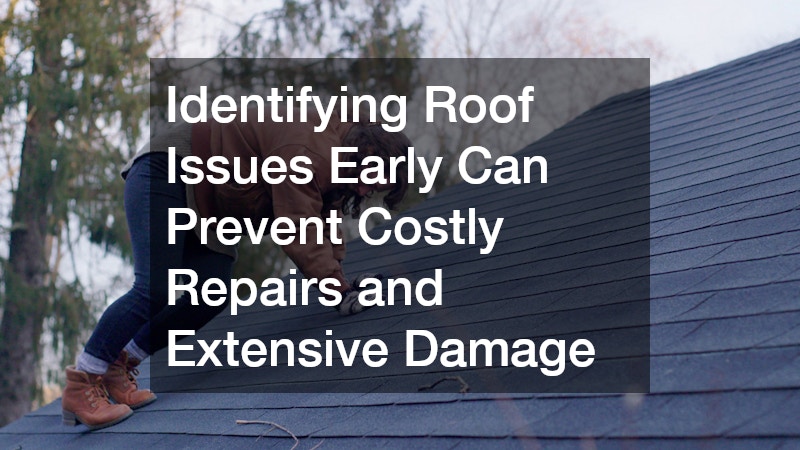
Identifying roof issues early can prevent costly repairs and extensive damage. Learn the key signs that indicate your roof may need repair so small issues don’t escalate. Regular roof maintenance is crucial because what might start as a minor issue can quickly develop into a major problem if left unattended. Homeowners often underestimate the importance of regular roof inspections, yet taking proactive measures can save significant time and money.
What are the common signs of a roof needing repair?
Missing or damaged shingles
One of the most visible signs that your roof may require repair is the presence of missing or damaged shingles. Shingles play a critical role in protecting your roof from external elements, and any compromise in their integrity can lead to further deterioration.
Inspecting your roof for visible signs of damage after significant weather events can help you catch issues early. A few missing shingles might not seem alarming, but they can allow water to seep underneath, leading to wood rot and structural damage.
Damaged shingles can also indicate potential problems with the underlying structure of the roof. For instance, curling or buckling shingles may suggest inadequate ventilation or poor installation practices. Over time, these conditions will worsen, ultimately shortening the lifespan of your roof. Ensuring that shingles are securely fastened and adequately aligned is essential in maintaining your roof’s reliability. If you observe more than a few damaged shingles, consult a professional roofer to assess the situation carefully.
In addition to missing and cracked shingles, watch for granule loss, which can often be found in gutters. Granules act as a protective layer from UV rays and provide fire resistance, so their presence in gutters or around your home indicates accelerated aging. While aged shingles naturally lose granules, increased loss following a storm or other event should prompt immediate attention. Regular inspections and prompt repairs of damaged shingles can prevent leaks and extend the life of your roof significantly.
Leaks and water damage in the attic or ceiling
Leaks and water damage are perhaps the most apparent indicators of a compromised roof needing repair. It’s crucial to routinely inspect your attic and ceilings for any signs of water infiltration, such as dark stains, mold growth, or the presence of moisture. Water damage can be detrimental, leading to weakened structural components and loss of insulation efficiency over time. The sooner leaks are addressed, the less impact they’ll have on your home’s integrity.
Ceiling leaks could result from a variety of issues, including cracked flashing, damaged underlayment, or blocked gutters and downspouts. It’s important to identify the source of the leak to prevent further damage. Even minor leaks can lead to mold growth, posing health risks to occupants. If you notice discoloration or sagging on your ceiling, it’s time to contact a roofing repair professional to evaluate and address the problem.
In attics, look for signs of pooled water, damp insulation, or streaking on the walls, which strongly indicate leaks. Regular attic inspections can uncover small leaks before they become destructive. Good ventilation and maintenance, such as clearing gutters and keeping flashing in good condition, can prevent leaks from recurring. Remember, untreated leaks can escalate into severe water damage, so prompt intervention is crucial in safeguarding your home’s structure.
Granules clogging gutters and downspouts
Granules from asphalt shingles often end up in gutters and downspouts as the roof ages. While some granule loss is expected, significant accumulation is a red flag that requires attention. These granules provide essential protection to the shingles by enhancing their fire resistance and decreasing UV exposure. Without them, your roof becomes more susceptible to damage from weathering and sunlight, accelerating its deterioration.
Checking gutters regularly for granule build-up is an easy preventive measure all homeowners should take. After storms or heavy winds, inspect your gutters for signs of granule shedding. Accumulated granules can also impair gutter efficiency, contributing to overflow and water damage near the roofline. If you notice increased granule buildup, it could indicate the shingles have reached the end of their functional life span, necessitating replacement to avert future problems.
Furthermore, regular clearing of gutters and downspouts is essential for maintaining roof health. Clogged gutters can cause water retention and overflow, leading to further exposure and water damage. Scheduling professional cleaning and inspection services annually or semi-annually can keep gutters functioning efficiently. Understanding that excessive granule loss is symptomatic of broader roofing issues can help you take early action, preventing damage to your roof and home.
Conclusion
Regular inspection and prompt attention to small roofing issues can extend the life of your roof and save money in the long run. Recognize the signs of damage and know when to call in professional help to maintain the integrity of your home’s roof. Timely interventions prevent small problems from becoming significant and irreversible, safeguarding both your property and financial investment.
Proactivity is key in maintaining roofing health, ensuring that potential issues are addressed promptly before they escalate into costly repairs. Whether it’s missing shingles, leaks, or weather-related damage, early detection is crucial. Homeowners should make regular maintenance and professional assessments a priority in their property care plan, securing their home’s future.
Remember, professional help is not just for emergencies but an essential aspect of a healthy home maintenance regimen. By partnering with trained experts, you ensure that your roof remains reliable, functional, and aesthetically pleasing. Take the necessary steps today to secure your roof’s longevity, and enjoy the peace of mind that comes with a well-maintained home. If you are interested in learning