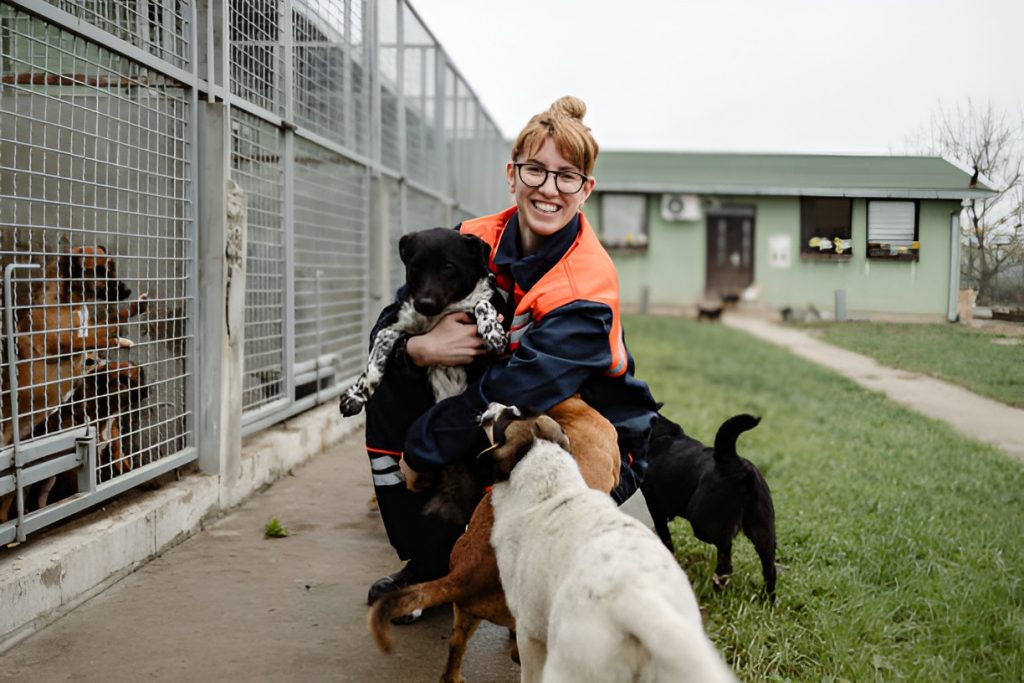
- Start with a strong foundation: Research local needs, define your mission, understand legal requirements, create a budget, and build a dedicated team.
- Diversify funding sources: Combine grants, donations, fundraising events, and partnerships to ensure financial sustainability.
- Choose the right location and facilities: Prioritize accessibility, safety, adequate space, and proper zoning to create a functional shelter environment.
- Engage the community: Recruit volunteers, host adoption events, foster programs, and run educational campaigns to build support and awareness.
- Focus on expanding impact: Increase capacity, offer specialized services, conduct community outreach, network with other organizations, and advocate for animal welfare policies.
- Track success and outcomes: Monitor adoption rates, volunteer engagement, fundraising goals, community awareness, and animal health to guide improvements.
- Plan for long-term sustainability: Build a strong community network, invest in staff development, leverage technology, and stay mission-focused to ensure lasting positive impact.
Starting an animal shelter is a rewarding yet challenging journey. From rescuing animals in need to creating a safe, welcoming environment for them, there’s a lot to consider. Beyond simply opening the doors, expanding your shelter’s impact in the community requires planning, dedication, and smart strategies. This guide will break down everything you need to know to start an animal shelter and make a difference locally.
Why Start an Animal Shelter?
Many people feel a calling to help animals, but it’s important to understand why starting a shelter is different from volunteering or fostering. When you create a shelter, you’re providing:
- A safe haven for abandoned or abused animals
- Access to veterinary care, nutrition, and socialization
- Educational opportunities for the community
- A platform to promote adoption and responsible pet ownership
Starting a shelter is not just about caring for animals—it’s about creating long-term positive change in your community.
What Are the First Steps to Starting an Animal Shelter?

Before taking action, you need to lay a strong foundation. Careful planning at this stage will save you time, money, and potential headaches later.
Research Local Needs
Understanding your community’s specific needs is crucial. Start by evaluating the current animal care landscape:
- Identify areas underserved by existing shelters. Perhaps there’s a shortage of dog shelters, or rural communities lack any facilities.
- Determine the types of animals most in need of help—dogs, cats, small mammals, or exotic pets.
- Connect with local veterinarians, rescue organizations, and municipal animal control to gather insights.
- Survey the community to see if there’s awareness or willingness to adopt, foster, or volunteer.
Define Your Shelter’s Mission
A strong mission is the compass that guides every decision:
- Decide whether your focus will be broad (all animals) or specialized (senior pets, injured animals, or certain species).
- Outline goals like adoption rates, educational outreach, or spay/neuter initiatives.
- A clear mission helps attract donors, volunteers, and adopters who align with your values.
Understand Legal Requirements
Compliance is non-negotiable. Missing licenses or permits can lead to fines or closure:
- Register your shelter as a nonprofit or charitable organization. This can provide tax benefits and improve fundraising credibility.
- Obtain any municipal, state, or federal permits required for animal facilities.
- Familiarize yourself with animal welfare regulations, including housing, medical care, and transport standards.
- Keep detailed records for inspections, licensing renewals, and audits.
Create a Budget
Financial planning is critical for sustainability:
- Include rent or mortgage, utilities, insurance, staff salaries, and veterinary costs.
- Account for food, bedding, cleaning supplies, and enrichment materials.
- Set aside an emergency fund for unexpected medical treatments or facility repairs.
- Consider long-term expenses like vehicle maintenance for animal transport or expansion projects.
Build Your Team
Even the best-planned shelter can’t run without a dedicated team:
- Recruit volunteers passionate about animal welfare, offering flexible roles to accommodate different skill levels.
- Hire staff for administration, veterinary care, and animal handling if budget allows.
- Establish a board of directors or advisors to guide strategy, fundraising, and compliance.
- Encourage mentorship programs where experienced volunteers train newcomers.
How to Secure Funding for Your Animal Shelter
Funding is often the biggest challenge, but a diversified approach increases stability:
Grants
- Explore local, state, and national foundations that fund animal welfare initiatives.
- Apply for both general operating grants and program-specific grants (like spay/neuter campaigns).
- Keep grant applications clear, specific, and supported with data showing community need.
Donations
- Build a donor database with regular updates and success stories.
- Encourage monthly or recurring donations for steady cash flow.
- Utilize crowdfunding platforms to reach a broader audience.
Fundraising Events
- Organize charity walks, pet expos, or adoption fairs to raise money and awareness.
- Host virtual fundraising events if in-person gatherings are limited.
- Offer sponsorship opportunities to local businesses for mutual promotion.
Partnerships
- Collaborate with veterinary clinics for discounted medical services.
- Partner with pet stores for in-kind donations like food, bedding, or toys.
- Team up with community organizations to share event costs or publicity.
Diversifying income streams prevents reliance on a single source and ensures long-term sustainability.
Choosing the Right Location
The location of your shelter impacts operational efficiency and community engagement:
Accessibility
- Choose a site easy for volunteers, adopters, and donors to reach.
- Consider proximity to public transportation and main roads.
Safety
- Ensure fencing and containment prevent escapes.
- Protect the property from natural hazards like flooding, extreme weather, or high traffic.
Space Needs
- Include kennels, play yards, quarantine areas, and storage rooms.
- Plan for future expansion to avoid relocating as your shelter grows.
Zoning Laws
- Verify municipal codes allow animal facilities.
- Check limits on the number of animals and species permitted.
- Ensure compliance with waste disposal and noise regulations.
What Facilities Do You Need for an Animal Shelter?
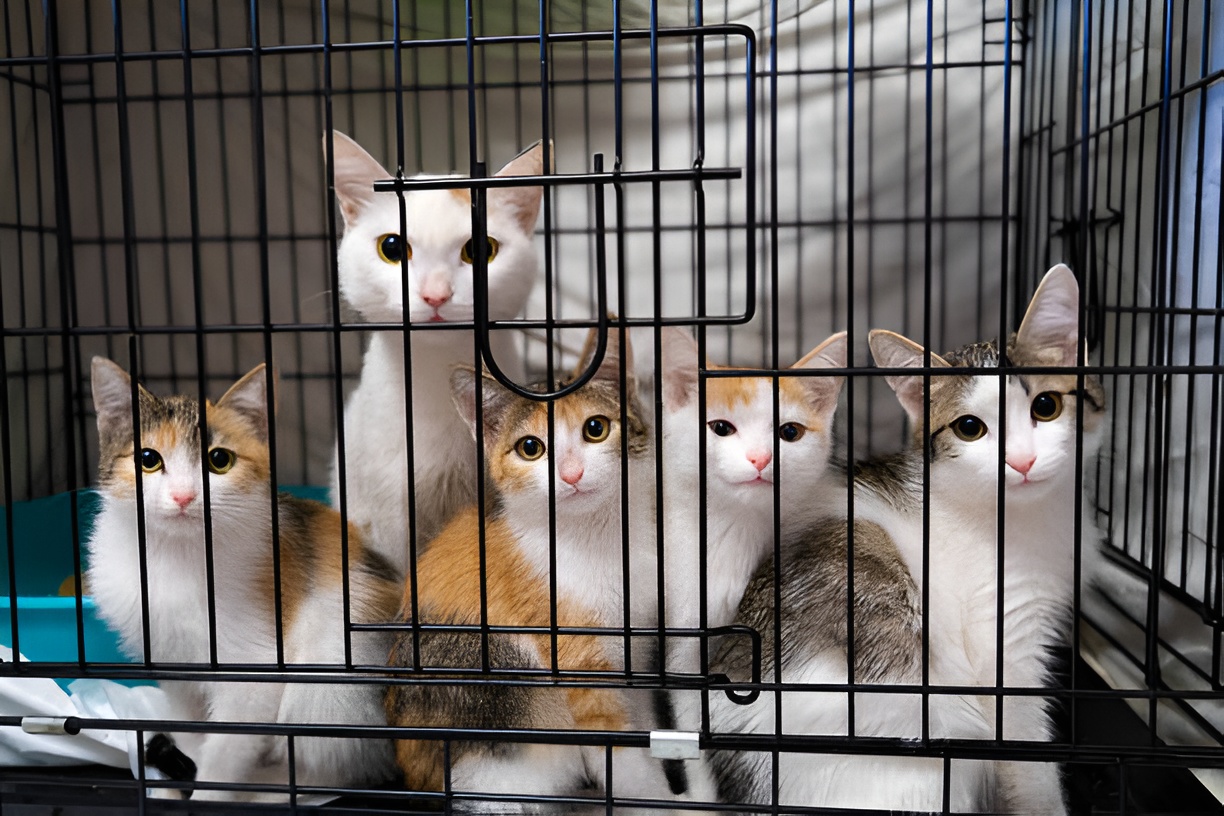
A functional, safe, and comfortable environment is critical for animal welfare:
Kennels or Cages
- Separate animals by size, species, and temperament.
- Ensure adequate space to prevent stress and injuries.
Quarantine Area
- Isolate new or sick animals to prevent the spread of disease.
- Monitor health closely and conduct required vaccinations before integration.
Medical Area
- Include examination tables, surgical space if possible, and storage for medications.
- Offer routine check-ups, vaccinations, and minor treatments on-site.
Food Storage
- Organize dry and wet food safely, preventing contamination or pest access.
- Keep inventory for planning and fundraising purposes.
Play and Socialization Areas
- Provide both indoor and outdoor spaces for exercise.
- Include enrichment tools like toys, climbing structures, or sensory activities.
How to Recruit Volunteers and Staff
The shelter’s success depends on engaged, skilled, and committed people:
Volunteer Programs
- Offer orientation sessions and clear responsibilities.
- Provide recognition programs like certificates, social media shoutouts, or awards.
Internships
- Partner with local veterinary or animal care schools to provide hands-on learning opportunities.
- Students gain experience while helping the shelter meet staffing needs.
Staff Hiring
- Hire individuals for specialized roles like veterinary technicians, adoption coordinators, or administrative support.
- Consider part-time or contract positions if funding is limited.
Community Engagement
- Host workshops, open houses, and volunteering days.
- Promote the mission and culture of your shelter to attract long-term contributors.
How to Attract and Rehome Animals
Getting animals adopted is the ultimate goal of your shelter:
Adoption Events
- Schedule regular events in high-traffic areas or partner locations.
- Include adoption drives during holidays or community festivals.
Online Listings
- Maintain a detailed website with photos, videos, and descriptions of each animal.
- Use social media platforms to increase exposure.
Foster Programs
- Temporary homes relieve overcrowding and reduce stress for animals.
- Fosters help socialize animals, improving adoption readiness.
Screening Adopters
- Implement application forms and interviews.
- Ensure homes are safe, with proper care plans for the animals.
How to Promote Your Shelter in the Community
Community awareness amplifies your impact and increases support:
Social Media Campaigns
- Share adoption stories, volunteer spotlights, and event announcements.
- Use video content for more engagement.
Local Partnerships
- Collaborate with schools, local businesses, and veterinary clinics for joint programs.
- Offer sponsorship or in-kind donations in exchange for publicity.
Educational Programs
- Host workshops on responsible pet ownership and animal care.
- Offer school field trips to teach children empathy and safety around animals.
Press Coverage
- Send press releases to local newspapers, blogs, and radio stations.
- Highlight success stories and community achievements.
How to Expand Your Shelter’s Impact
Once your shelter is running smoothly, the next step is growth. Expanding your shelter’s impact goes beyond taking in more animals—it’s about strengthening your role in the community and improving animal welfare on a broader scale.
Increase Capacity
- Consider expanding your physical facility if space allows, adding additional kennels, play areas, and quarantine zones.
- Partner with local foster homes to temporarily house animals when your shelter reaches capacity. This also helps reduce stress for animals who thrive better in a home environment.
- Explore satellite locations or mobile adoption units to reach more potential adopters and communities.
Specialized Services
- Offer spay and neuter programs to help reduce overpopulation and lower euthanasia rates in your area.
- Provide behavior training for animals with anxiety or aggression issues to improve adoption outcomes.
- Establish programs for senior or special-needs pets, ensuring these vulnerable animals receive the care they require and find loving homes.
Community Outreach
- Launch education initiatives in schools, community centers, and neighborhood programs to raise awareness about responsible pet ownership.
- Offer workshops on topics like vaccination schedules, pet nutrition, and preventing animal abuse.
- Encourage community members to volunteer, donate, or foster animals, building a sense of shared responsibility.
Networking
- Connect with other animal shelters and rescues to share resources, best practices, and referral networks.
- Attend conferences, webinars, or local meetings to stay informed about trends and innovations in animal welfare.
- Collaborate with regional organizations for large-scale campaigns like adoption drives or fundraising events.
Advocacy
- Work with local authorities to improve animal welfare policies, such as stricter licensing requirements, anti-cruelty ordinances, and accessible veterinary care.
- Participate in campaigns that promote public awareness about spaying, neutering, and responsible pet ownership.
- Advocate for community resources like low-cost vaccination clinics or pet-friendly shelters in underserved areas.
How to Measure Your Shelter’s Success
Monitoring progress ensures your shelter is effective, accountable, and continuously improving. Key metrics help guide strategy and identify areas needing attention.
Adoption Rates
- Track how many animals find homes each month and compare to previous periods.
- Analyze patterns to identify factors that increase or reduce adoption success, such as seasonality or animal type.
Volunteer Engagement
- Monitor the number of active volunteers, their hours, and areas of contribution.
- High volunteer retention often indicates strong community engagement and a positive shelter culture.
Fundraising Goals
- Evaluate whether financial targets are being met and identify which fundraising activities are most effective.
- Track donor retention and engagement to build long-term support.
Community Awareness
- Measure engagement through social media analytics, attendance at events, and press coverage.
- Increased community awareness usually correlates with higher donations, adoptions, and volunteer participation.
Animal Health Outcomes
- Maintain records of vaccinations, treatments, and overall health metrics.
- Monitor trends in medical issues to improve care protocols and prevent outbreaks.
Challenges You May Face and How to Overcome Them
Running a shelter is deeply rewarding, but challenges are inevitable. Preparing for them will help your operations stay resilient.
Limited Funding
- Diversify income streams through grants, donations, events, and partnerships.
- Maintain an emergency fund to handle unexpected medical or facility expenses.
Volunteer Shortages
- Offer incentives like certificates, recognition programs, or small perks to retain volunteers.
- Provide clear training and a supportive environment to prevent burnout.
Animal Behavior Issues
- Work with professional trainers or behaviorists to rehabilitate animals with aggression or anxiety.
- Use enrichment activities to reduce stress and encourage socialization.
Regulatory Hurdles
- Stay informed on local laws and regulations regarding animal care, shelter operations, and nonprofit governance.
- Regularly review compliance to avoid penalties and ensure safety.
Emotional Burnout
- Shelter work can be emotionally taxing. Encourage staff and volunteers to take breaks, access counseling, or debrief after difficult cases.
- Promote a culture of peer support and celebrate small victories to maintain morale.
Tips for Long-Term Sustainability
Long-term success depends on strategy, planning, and consistent evaluation:
Build a Strong Community Network
- Engage volunteers, donors, local businesses, and community groups to strengthen support.
- A connected community helps amplify your shelter’s reach and impact.
Plan for Growth
- Expand facilities, programs, or services gradually rather than taking on too much at once.
- Consider long-term projections for adoption rates, animal intake, and funding.
Invest in Staff Development
- Provide ongoing training for staff and volunteers on animal care, adoption counseling, and operational procedures.
- Skilled, knowledgeable teams improve shelter outcomes and efficiency.
Use Technology
- Implement software to manage records, track adoptions, schedule veterinary visits, and communicate with supporters.
- Digital tools can save time, reduce errors, and streamline operations.
Stay Mission-Focused
- Keep your mission at the core of all decisions, from intake policies to fundraising campaigns.
- A clear focus ensures consistent values and guides your shelter through challenges.
Frequently Asked Questions About Starting an Animal Shelter
Q: Do I need a degree to start an animal shelter?
A: No, but knowledge of animal care, nonprofit management, and business operations helps.
Q: Can I start a shelter from home?
A: Small-scale operations or foster networks can start at home, but larger shelters require proper facilities and permits.
Q: How long does it take to open a shelter?
A: It varies. Planning, fundraising, and obtaining permits can take several months to a year.
Q: What animals can I rescue?
A: Dogs, cats, rabbits, birds, and small mammals are common. Some shelters specialize in certain species.
Q: How do I get the community involved?
A: Host events, workshops, fundraisers, and partner with local businesses and schools.
Closing Thoughts
Starting an animal shelter is a meaningful way to improve the lives of animals and create a positive impact in your community. By carefully planning, securing funding, building a strong team, and actively engaging your community, your shelter can grow sustainably and make a lasting difference. Remember, the goal is not just to rescue animals but to create a network of care that strengthens animal welfare and educates the public.