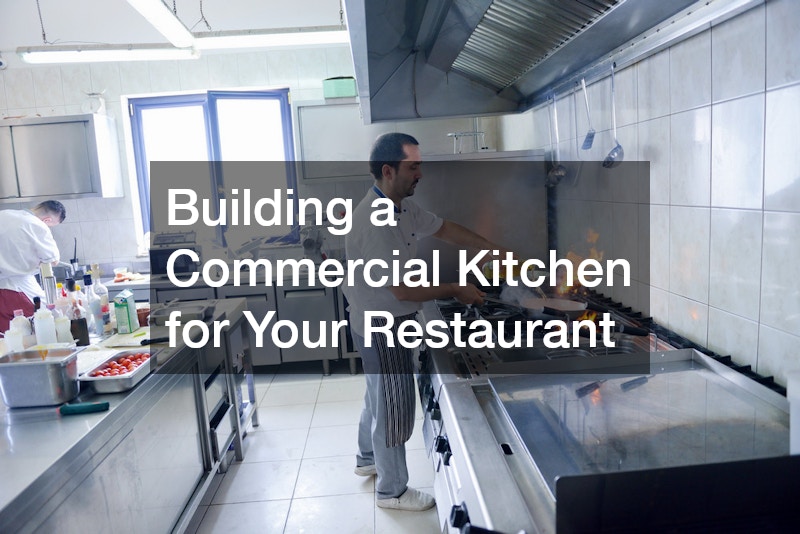
Building a commercial kitchen is one of the most critical steps in launching or expanding a successful restaurant. Beyond supporting daily food preparation, the kitchen influences staff efficiency, health compliance, operating costs, and long-term scalability. A thoughtfully designed kitchen creates a foundation for consistency, safety, and profitability, while a poorly planned one can lead to bottlenecks, compliance issues, and expensive renovations down the line. Working closely with an experienced commercial contractor ensures that structural, mechanical, and operational considerations are addressed from the very beginning. This guide explores the essential elements involved in building a commercial kitchen that aligns with regulatory standards, supports your menu, and positions your restaurant for sustained growth.
What Are the Key Design Principles for a Commercial Kitchen?

Workflow and Efficiency
Workflow efficiency is the backbone of a high-performing commercial kitchen. The layout should support a natural progression from receiving and storage to preparation, cooking, plating, and service. When stations are arranged logically, staff can move quickly without crossing paths unnecessarily, reducing errors and stress during peak service hours. Efficient workflow also minimizes delays, which directly impacts food quality and customer satisfaction. Designing clear pathways with safe floor coatings for staff, ingredients, and finished dishes allows the kitchen to function smoothly even under pressure.
Space Utilization
Effective space utilization is essential, particularly in urban or high-rent locations where square footage is limited. A commercial kitchen must balance adequate workspace with open circulation areas to prevent crowding. Vertical storage solutions, integrated shelving, and compact equipment layouts help maximize usable space without sacrificing safety. Allocating space for maintenance access is equally important, as it allows equipment servicing without disrupting daily operations. Smart space planning also accommodates future upgrades to commercial kitchen equipment as your restaurant evolves.
Ergonomics
Ergonomic design supports both productivity and employee well-being. Work surfaces should be positioned at comfortable heights, and frequently used tools should be within easy reach. Proper ergonomics reduce physical strain, helping prevent repetitive stress injuries and fatigue. When staff can work comfortably, they are more focused, efficient, and less likely to make mistakes. Over time, an ergonomic kitchen contributes to lower staff turnover and a healthier workplace environment.
Flexibility and Scalability
Flexibility ensures your kitchen can adapt to changing menus, service models, and customer demand. Modular layouts and movable equipment allow you to reconfigure stations without major construction. Scalability is particularly important for growing restaurants, as increased volume often requires additional prep space or upgraded equipment. Planning for flexibility during the initial build prevents costly renovations later and allows your kitchen to evolve alongside your business.
Safety and Compliance
Safety and compliance must be integrated into every aspect of kitchen design. This includes fire suppression systems, non-slip flooring, proper ventilation, and clearly marked exits. Collaborating with a commercial concrete contractor can help ensure floors are durable, level, and compliant with safety standards. Compliance with local health and building codes protects your business from fines, shutdowns, and liability issues while creating a safe environment for staff and customers alike.
How Do I Choose the Right Equipment for My Kitchen?
Assessing Your Menu Needs
Your menu should guide every equipment decision. Different cuisines and service styles require specific tools, appliances, and layouts. Selecting commercial kitchen equipment that aligns with your menu ensures efficiency and consistency in food preparation. Overbuying equipment can waste space and budget, while underestimating needs can slow service and limit menu potential. A detailed menu analysis helps identify exactly what equipment is essential for daily operations.
Energy Efficiency
Energy-efficient equipment reduces long-term operating costs and supports sustainability goals. Appliances with high efficiency ratings consume less electricity and water, lowering utility bills over time. Efficient equipment also generates less heat, reducing strain on ventilation and cooling systems. While energy-efficient models may have higher upfront costs, they often provide significant savings throughout their lifespan.
Quality and Durability
Commercial kitchens demand equipment that can withstand constant use. Investing in high-quality, durable appliances minimizes downtime and repair costs. Reliable equipment also improves consistency, ensuring that food quality remains high even during busy service periods. Choosing reputable manufacturers and proven models reduces the risk of unexpected failures that could disrupt operations.
Vendor and Warranty Considerations
Working with reliable vendors provides access to installation support, maintenance services, and replacement parts. Comprehensive warranties offer peace of mind and protect your investment. Establishing strong vendor relationships can also result in better pricing and faster service when issues arise. These partnerships are especially valuable as your kitchen grows and equipment needs change.
Future-Proofing Equipment Choices
Future-proofing involves selecting equipment that can adapt to evolving trends and technology. Multi-functional appliances and upgradeable systems provide flexibility as menus and service styles shift. Planning for future needs prevents costly replacements and ensures your kitchen remains competitive in a changing market.
How Can I Ensure Food Safety and Hygiene?

Layout for Cleanliness
A clean layout separates raw food handling from cooking and plating areas to prevent cross-contamination. Clear zoning supports proper food flow and simplifies cleaning routines. Smooth surfaces and accessible corners make it easier to maintain high sanitation standards. A well-designed layout is one of the most effective tools for ensuring food safety.
Sanitation Stations
Dedicated sanitation stations are essential for maintaining hygiene. Handwashing sinks should be conveniently located near prep and cooking areas, encouraging frequent use. Dishwashing zones should be designed to handle peak loads without creating bottlenecks. Partnering with a local janitorial service can help maintain cleanliness beyond daily staff responsibilities.
Proper Ventilation Systems
Ventilation systems play a critical role in air quality and safety. Effective hoods and exhaust systems remove heat, smoke, and grease from the kitchen environment. Regular servicing by commercial kitchen exhaust cleaners ensures these systems function properly and comply with fire safety regulations. Proper ventilation also creates a more comfortable workspace for staff.
Staff Training and Procedures
Even the best-designed kitchen relies on trained staff to maintain safety and hygiene. Regular training ensures employees understand sanitation protocols, equipment use, and emergency procedures. Clear guidelines help maintain consistency across shifts and reduce the risk of contamination or accidents.
Regular Maintenance Schedules
Routine maintenance keeps equipment, plumbing, and ventilation systems operating safely. Scheduling services such as grease trap cleaning prevents blockages and odors while ensuring compliance with local regulations. Preventive maintenance reduces unexpected breakdowns and extends the lifespan of critical systems.
What Are the Essential Sections of a Commercial Kitchen?
Preparation and Cooking Area
The preparation and cooking area is the core of the kitchen. It must provide ample workspace for chopping, mixing, and cooking while maintaining clear separation between raw and cooked foods. Durable surfaces and efficient layouts support fast-paced operations without compromising safety.
Cold and Dry Storage
Proper storage preserves food quality and supports inventory management. Cold storage units should maintain consistent temperatures, while dry storage areas must be clean, dry, and well-organized. Adequate storage prevents spoilage and simplifies restocking during service.
Dishwashing Zone
An efficient dishwashing zone ensures a steady supply of clean utensils and cookware. The area should accommodate high volumes without disrupting workflow. Proper drainage and ventilation are essential for maintaining hygiene and preventing moisture buildup.
Service Area
The service area bridges the kitchen and dining space. It should allow staff to plate and pass dishes efficiently while maintaining presentation quality. Clear communication between kitchen and front-of-house staff supports smooth service and reduces delays.
Waste Management Section
Waste management is often overlooked but essential for sanitation and compliance. Designated areas for trash, recycling, and compost help maintain cleanliness. Proper planning also simplifies waste removal and reduces pest risks.
How Do I Manage Energy Use and Sustainability?
Choosing Energy-Efficient Appliances
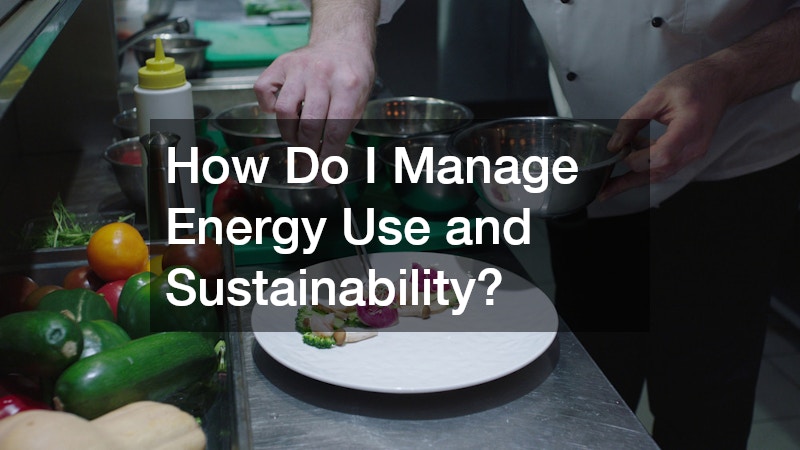
Energy-efficient appliances reduce resource consumption and operating costs. Selecting equipment designed for commercial use ensures durability while supporting sustainability goals. Efficient systems also reduce heat output, improving overall kitchen comfort.
Implementing a Recycling Program
Recycling programs help reduce waste and support environmental responsibility. Clearly labeled bins and staff training encourage proper disposal. Sustainable practices also resonate with environmentally conscious customers.
Water Conservation Techniques
Water-efficient fixtures and appliances help reduce usage without compromising performance. Regular inspections by a plumber ensure systems operate efficiently and detect leaks early. Water conservation lowers utility bills and supports long-term sustainability.
Sustainable Sourcing and Practices
Sourcing ingredients responsibly and reducing packaging waste contribute to a more sustainable operation. These practices often align with customer values and enhance your restaurant’s reputation.
Reducing Food Waste
Food waste reduction begins with proper portioning, storage, and inventory management. Tracking usage patterns helps identify inefficiencies and adjust purchasing accordingly. Reducing waste lowers costs and supports sustainability efforts.
How Much Will It Cost to Build a Commercial Kitchen?
Estimating Initial Costs
Initial costs include construction, equipment, permits, and professional services. Engaging experienced professionals early helps create accurate budgets and avoid surprises. Transparent planning ensures resources are allocated effectively.
Budgeting for Equipment
Equipment costs can vary widely depending on quality and capacity. Balancing upfront investment with long-term reliability is key. Proper budgeting ensures you select equipment that meets both operational and financial goals.
Permits and Compliance Fees
Permits and inspections are necessary for legal operation. Costs vary by location and scope, making early research essential. Compliance expenses should be factored into the overall budget from the start.
Ongoing Maintenance Costs
Maintenance costs include routine servicing, repairs, and cleaning services. Planning for these expenses prevents financial strain and ensures consistent operations. Services like utility vegetation management around exterior equipment areas can also be part of long-term upkeep.
Contingency Planning
Unexpected expenses are common during construction. Setting aside contingency funds helps manage delays, design changes, or unforeseen issues such as asbestos abatement in older buildings. Contingency planning protects timelines and budgets.
How Do I Comply With Health Regulations?
Understanding Local Codes
Health regulations vary by jurisdiction, making local knowledge essential. Familiarity with codes ensures your kitchen meets all requirements before opening. Working with experienced professionals simplifies the compliance process.
Designing for Compliance
Designing with compliance in mind prevents costly modifications later. Proper spacing, ventilation, and materials help meet health standards while supporting efficient operations. Early planning reduces approval delays.
Regular Inspections and Audits
Ongoing inspections ensure continued compliance. Preparing for audits through regular internal checks minimizes disruptions. Consistent compliance builds trust with regulators and customers.
Health and Safety Certifications
Certifications demonstrate commitment to safety and professionalism. They also provide staff with valuable training and knowledge. Maintaining certifications supports long-term operational success.
Crisis Management Plans
Crisis plans prepare your team for emergencies such as equipment failures or health concerns. Clear procedures minimize downtime and protect your business reputation. Preparation ensures swift, effective responses.
How Do I Plan for Growth and Changes?
Scalable Design Elements
Scalable design supports growth without major renovations. Additional prep space, flexible layouts, and expandable storage accommodate increased demand. Planning for growth protects your initial investment.
Modular Equipment
Modular equipment allows easy reconfiguration as needs change. This adaptability supports menu updates and service model shifts. Modular solutions also simplify maintenance and upgrades.
Future Menu Expansions
Menu expansions often require new equipment or workflows. Designing with potential changes in mind ensures smooth transitions. Flexibility supports creativity and innovation.
Flexible Staffing Solutions
Flexible layouts support varying staffing levels and service styles. Efficient designs help smaller teams manage peak periods effectively. Flexibility also supports cross-training and collaboration.
Adapting to Market Trends
Market trends influence customer expectations and operational strategies. Staying adaptable allows your kitchen to respond quickly to new demands. Continuous improvement keeps your restaurant competitive.
What Are the Common Mistakes to Avoid?
Underestimating Space Needs
Insufficient space leads to congestion and inefficiency. Accurate assessments prevent costly expansions later. Adequate space supports safe and productive operations.
Overlooking Workflow Efficiency
Poor workflow design creates bottlenecks and frustration. Investing time in planning prevents operational challenges. Efficient workflows enhance speed and consistency.
Neglecting Compliance and Safety
Ignoring compliance risks fines and closures. Safety must remain a top priority throughout design and operation. Proactive planning protects staff and customers.
Failing to Involve Staff in Planning
Staff insights provide valuable perspective on daily operations. Involving them early improves functionality and morale. Collaboration leads to practical, effective designs.
Skipping Regular Maintenance
Neglecting maintenance leads to breakdowns and safety risks. Regular servicing ensures reliable operations. Maintenance planning protects equipment and investments.
How Can Technology Enhance a Commercial Kitchen?

Online Inventory Management
Digital inventory systems improve accuracy and reduce waste. Real-time tracking supports informed purchasing decisions. Technology streamlines operations and saves time.
Automated Ordering Systems
Automated systems improve communication between front and back of house. Accurate orders reduce errors and delays. Technology enhances service consistency.
Kitchen Display Systems
Display systems replace paper tickets with digital screens. Clear visuals improve coordination and speed. These systems support high-volume service environments.
Smart Appliances
Smart appliances offer monitoring and diagnostics capabilities. Data insights help optimize performance and maintenance. Smart technology enhances efficiency and reliability.
Data-Driven Decision Making
Data analysis informs menu planning, staffing, and purchasing. Insights support strategic decisions and continuous improvement. Technology empowers smarter management.
Final Thoughts
Constructing a commercial kitchen is a complex but rewarding process that requires careful planning, professional expertise, and long-term vision. By prioritizing efficient design, reliable commercial kitchen equipment, regulatory compliance, and future flexibility, you create a kitchen that supports both daily operations and sustainable growth. Addressing each of these considerations thoughtfully ensures your restaurant is equipped to deliver consistent quality, maintain safety standards, and adapt to evolving industry demands.