When you think about what makes a neighborhood feel stable and thriving, it usually comes down to the businesses you see every day, the shops, offices, and warehouses that keep local jobs and services close to home. Behind that everyday stability sits a web of infrastructure decisions that most homeowners and consumers never think about until something goes wrong. Understanding how local business infrastructure works can help you make smarter choices as a property owner, a customer, or someone simply trying to gauge the health of your local economy.
This article breaks down the pieces that hold local commerce together and why they matter more than most people realize.
What Economic Resilience Looks Like on Your Street
Economic resilience is not an abstract policy term reserved for economists and city planners. At the neighborhood level, it simply means how well local businesses can absorb shocks, whether that is a supply chain disruption, a severe storm, or a sudden spike in demand, without shutting their doors. A resilient business district tends to have diverse tenants, well-maintained buildings, and infrastructure that can handle stress without failing all at once.
You can see this in practical terms: a commercial strip with updated electrical systems can handle the extra load when three restaurants add outdoor heaters for winter dining. A downtown with modern stormwater drainage does not flood its retail spaces every time a heavy rain hits. Broadband redundancy means a single fiber cut does not knock out point-of-sale systems for an entire block of shops for a full business day.
Tenant mix matters just as much as physical infrastructure. A district anchored by a single industry, say, all offices catering to one employer, is far more vulnerable than one blending retail, food service, healthcare, and personal services. When one sector slows down, diversified foot traffic and revenue streams keep the rest of the block afloat.
When you notice a downtown or commercial strip that keeps recovering after setbacks, reopening quickly after a fire, staying busy through a recession, or adapting fast to a shift in consumer habits, infrastructure investment is usually part of the reason why. It is rarely one dramatic upgrade, but rather years of steady, unglamorous maintenance and reinvestment that add up to a district capable of bending without breaking.
For homeowners and consumers, this matters because business stability directly affects property values, job availability, and the convenience of daily errands. Studies on commercial corridors have shown that homes within walking distance of thriving retail districts can carry a premium of 5-10% compared to similar properties near struggling ones. That gap isn’t just about aesthetics; it reflects buyer confidence in the area’s future tax base, school funding, and municipal services.
A commercial corridor full of vacant storefronts often signals deeper infrastructure or investment problems, not just bad luck. Cracked sidewalks, outdated electrical grids, insufficient parking, or slow broadband can quietly push out small businesses long before “For Lease” signs ever go up. When one storefront empties, it often triggers a chain reaction, since fewer shoppers on the block means less foot traffic for neighboring businesses.
Paying attention to how commercial spaces are maintained can actually tell you a lot about the long-term outlook of your own neighborhood. Fresh paint, updated signage, and active construction permits are typically good signs of reinvestment and confidence from local business owners. On the other hand, boarded windows, overgrown lots, or storefronts that sit empty for more than six months are worth watching closely, since they often precede declines in nearby home values and municipal services.
Why New Businesses Choose Certain Neighborhoods
When a business owner decides where to open or expand, the physical condition and availability of commercial space play a huge role in that decision. Someone searching for an office for lease will typically compare not just square footage and rent, but also how recently the building has been updated and whether it meets modern safety codes. Areas with a healthy supply of move-in ready commercial space tend to attract more diverse businesses, which in turn supports more stable local employment.
Relocation logistics also factor into these decisions more than people expect. Companies that need to move equipment, inventory, or entire offices often rely on local movers who understand commercial timelines and minimize downtime during the transition. A community that has reliable moving and logistics support makes it easier for businesses to relocate quickly when opportunities arise, which keeps commercial spaces occupied rather than sitting empty for months.
- Availability of flexible lease terms for small and growing businesses
- Proximity to transportation routes and parking
- Local moving and logistics support for faster occupancy turnaround
- Condition of shared infrastructure like electrical and plumbing systems
The Safety Systems Most Customers Never Notice
Every time you walk into a restaurant, retail store, or office building, there is a layer of safety infrastructure working quietly in the background. Fire suppression systems are one of the most important examples, since they are designed to contain or extinguish fires before they spread and cause catastrophic damage. Buildings with outdated or poorly maintained suppression systems face higher insurance costs and greater risk of extended closures after an incident, which ripples out to employees and customers alike.
Pest issues are another quiet risk factor that can shut a business down fast, especially in food service and healthcare settings. Regular commercial pest control is not just about comfort; it is often a legal requirement tied to health inspections and licensing. Businesses that skip this kind of preventive maintenance risk fines, reputational damage, and sometimes forced closure, all of which hurt the surrounding local economy.
- Fire suppression inspections are typically required annually or more often for commercial kitchens
- Pest control contracts help businesses pass health inspections consistently
- Preventive maintenance is almost always cheaper than emergency remediation
- Insurance premiums often reflect how well these systems are maintained
Protecting Commercial Buildings From the Ground Up
A building’s foundation and entry points take more punishment than most people realize, especially in areas with heavy rain, freeze-thaw cycles, or fluctuating groundwater. Commercial foundational waterproofing helps prevent moisture intrusion that can lead to structural damage, mold growth, and costly repairs down the line. Business owners who invest in this kind of protection early often save significant money compared to those who wait until water damage becomes visible inside the building.
Entry points matter just as much as the foundation when it comes to protecting a commercial space. Working with experienced commercial door companies ensures that heavy-use doors, loading docks, and emergency exits function properly and meet safety codes. Doors that stick, fail to seal properly, or do not close securely can create energy inefficiencies and safety hazards, both of which affect a business’s bottom line and its ability to serve customers reliably.
- Signs of foundation moisture include musty odors, cracked walls, and warped flooring
- Loading dock doors need regular maintenance due to constant daily use
- Properly sealed doors improve energy efficiency and reduce utility costs
- Emergency exit doors must meet strict local safety code requirements
The Utility Work That Keeps Businesses Operational
Most consumers never think about the electrical systems that power the businesses they visit, but these systems are far more complex than typical residential wiring. An industrial electrician handles the specialized demands of commercial equipment, backup power systems, and code compliance that residential electricians are not typically trained for. When these systems fail, businesses can lose refrigeration, lighting, security systems, and point-of-sale equipment all at once, which can mean lost revenue and spoiled inventory.
Restaurants and food-related businesses face a specific infrastructure challenge that is easy to overlook: wastewater management. Commercial grease traps prevent fats, oils, and grease from clogging municipal sewer lines, and neglecting them can lead to expensive plumbing backups or violations from local health departments. Regular maintenance of these systems is a routine but essential cost of doing business in the food service industry, and it directly protects the surrounding community’s infrastructure too.
- Commercial electrical systems often require permits and specialized inspections
- Backup power systems protect against costly downtime during outages
- Grease trap cleaning schedules depend on how much cooking volume a business handles
- Ignoring wastewater maintenance can result in fines from local utilities
How Visibility and Branding Support Local Identity

Beyond structural infrastructure, businesses also need to be visible and recognizable to survive in a competitive local market. Custom business signs help companies stand out, guide customers to their location, and reinforce brand identity in a way that generic signage simply cannot. A well-designed sign is often one of the first infrastructure investments a new business makes, since it directly impacts foot traffic and first impressions.
Mobile branding has become just as important as fixed signage for many local businesses, especially those offering delivery or service-based work. A commercial fleet wrap turns everyday vehicles into moving advertisements, extending a company’s visibility well beyond its physical storefront. For service businesses like plumbers, electricians, or delivery companies, this kind of branding builds trust and recognition throughout the neighborhoods they serve.
- Custom signage must comply with local zoning and size regulations
- Illuminated signs can extend visibility into evening hours
- Vehicle wraps offer long-term advertising value compared to traditional ads
- Consistent branding across signage and vehicles builds customer trust over time
The Role of Skilled Trades in Local Economic Health
None of the infrastructure discussed so far exists without a strong base of skilled tradespeople working behind the scenes. Electricians, plumbers, waterproofing specialists, and door technicians represent a segment of the local workforce that often goes unnoticed until an emergency arises. Communities with a healthy supply of skilled trade professionals tend to recover faster from infrastructure failures, simply because repairs happen quickly instead of businesses sitting closed for weeks waiting on outside contractors.
Supporting local trade education and apprenticeship programs is one of the most overlooked ways communities can strengthen their economic resilience. When young workers have a clear path into skilled trades, local businesses gain access to a steady pipeline of qualified labor instead of competing for a shrinking pool of specialists. This benefits everyone, from the business owner needing urgent repairs to the homeowner trying to schedule a routine service call.
- Skilled trade shortages can delay repairs and increase project costs
- Apprenticeship programs help build long-term local labor supply
- Faster repair turnaround reduces business downtime after emergencies
- Local trade businesses often reinvest revenue back into the community
How Infrastructure Investment Creates a Ripple Effect
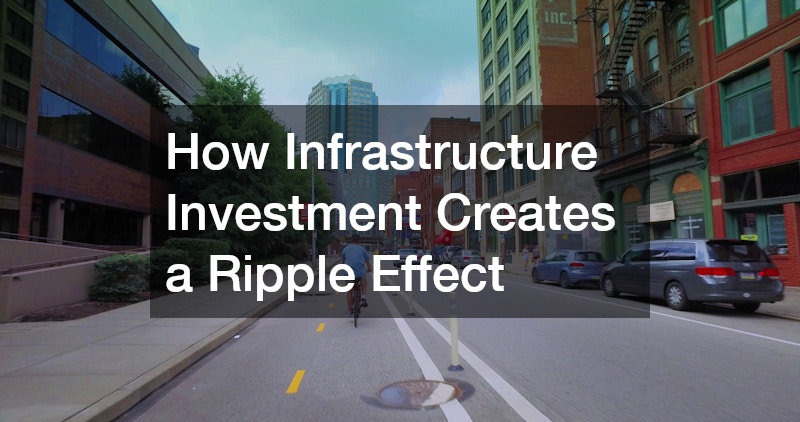
When a business invests in its physical infrastructure, whether that is a new safety system, updated signage, or a renovated storefront, the benefits rarely stop at that single business. Contractors get hired, suppliers see increased orders, and nearby businesses often benefit from improved foot traffic or a more attractive commercial corridor overall. This ripple effect is one of the clearest examples of how private investment decisions contribute to broader community stability.
Property values in the surrounding area can also be influenced by how well-maintained nearby commercial buildings appear. A block with updated facades, functional infrastructure, and active businesses tends to feel safer and more desirable, which can positively affect nearby residential property values too. This connection between commercial upkeep and residential value is something many homeowners underestimate.
- Commercial improvements often lead to increased foot traffic for neighboring businesses
- Well-maintained business districts can positively influence nearby home values
- Local spending tends to circulate multiple times within a community
- Infrastructure upgrades often create short-term construction and trade jobs
Practical Steps Property Owners Can Take to Support Local Resilience
Homeowners and property owners are not passive bystanders in this process, even if they do not own commercial buildings themselves. Choosing to shop, dine, and hire services from local businesses helps sustain the revenue that funds ongoing infrastructure maintenance and improvements. Simple habits, like reporting visible maintenance issues at local businesses or attending community planning meetings, can also influence how quickly infrastructure problems get addressed.
For those who do own or manage commercial property, staying proactive about maintenance schedules prevents small issues from becoming expensive emergencies. Building relationships with reliable local contractors across categories like electrical work, waterproofing, and pest control creates a support network that can respond quickly when problems arise. This kind of preparation is ultimately what separates resilient businesses from those that struggle to recover after a setback.
- Prioritize routine inspections over reactive emergency repairs
- Build relationships with multiple types of local contractors in advance
- Support local businesses that reinvest in visible infrastructure improvements
- Stay informed about local zoning and commercial development plans
Conclusion
Strong local economies are built on infrastructure decisions that most people never see until something breaks down. From fire safety systems to foundation protection to reliable electrical work, every piece plays a role in keeping businesses open and communities stable. As a homeowner, property owner, or consumer, paying attention to these details helps you make more informed decisions about where you live, shop, and invest. The next time you notice a well-maintained business in your area, consider it a small but meaningful sign of a resilient local economy at work.