Commercial real estate investing relies on a simple, timeless principle: finding underperforming assets and unlocking their hidden potential. While institutional buyers often target fully stabilized properties with predictable, single-digit returns, seasoned investors actively seek out value-add opportunities. These are the buildings that have seen better days but sit in high-demand business corridors. They might suffer from years of deferred maintenance, outdated aesthetics, structural inefficiency, or poor management. The goal of a strategic renovation is not just to make the property look attractive, but to systematically increase its net operating income. By boosting revenue and trimming operational waste, investors can force significant capital appreciation.
However, the modern commercial market requires much more than a fresh coat of paint and basic landscaping. Today’s commercial tenants, ranging from fast-growing tech startups to established medical clinics, demand sophisticated, efficient, and resilient spaces. They look at the infrastructure behind the walls just as closely as they evaluate the lobby design or the location. For an investor, executing a successful renovation means balancing immediate visual upgrades with deep infrastructure overhauls. This playbook outlines the exact operational steps required to transform an underperforming commercial building into a premium, high-yielding asset that attracts long-term, high-quality corporate tenants.
Navigating Capital and Project Financing
Before any construction work begins, an investor must secure a flexible and cost-effective financing structure. Real estate upgrades require significant upfront liquidity, and tying up too much private capital in the early phases can choke a project’s momentum. While large national banks are always an option, they often come with rigid underwriting guidelines, slow approval processes, and impersonal customer service. Savvy syndicators and independent developers frequently look toward community-focused financial institutions instead. Securing a commercial loan from credit union entities can provide much more favorable terms, lower origination fees, and a relationship-driven approach to funding monthly construction draws.
These local lenders are deeply invested in regional economic development, making them more willing to look at the future pro-forma value of a renovated asset rather than just its current, dilapidated state. By optimizing the debt structure early on, investors preserve their cash reserves for unexpected construction variables that inevitably arise. This financial cushion allows the management team to make long-term decisions that enhance the property’s intrinsic value rather than cutting corners to meet short-term cash flow constraints. Managing the capital stack wisely ensures the property remains financially healthy through the entire construction lifecycle.
Fortifying the Exterior Envelope and Curb Appeal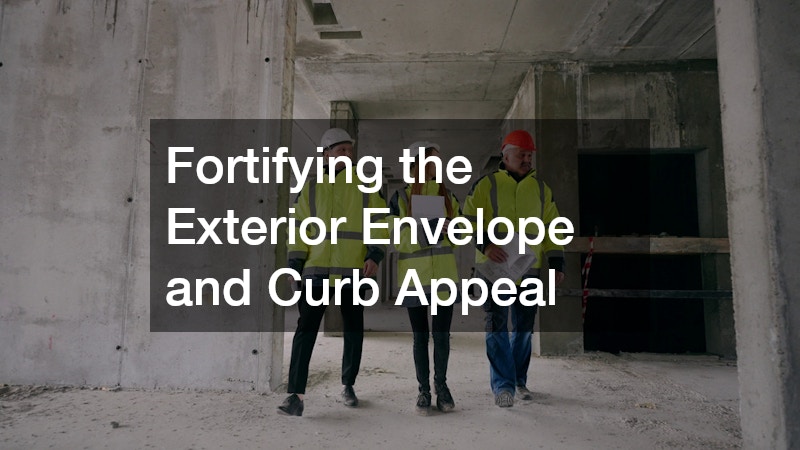
A property’s exterior serves two vital functions: it protects the internal components from environmental hazards, and it forms the first impression for potential tenants and their clients. If the building envelope leaks or looks neglected, the asset’s marketability plummets immediately. Investors must prioritize the roof, as water intrusion can destroy thousands of dollars of interior improvements in a matter of hours. Engaging an experienced contractor to inspect and repair or replace the existing system is mandatory.
A durable, energy-efficient commercial roofing system not only prevents structural rot but also lowers the building’s overall thermal load, reducing seasonal utility costs for the occupants. Once the roof is secured, attention must turn to the ground level. The transition from the street to the front door dictates how visitors perceive the business environment inside. Potholes, faded striping, and cracked asphalt send a signal of institutional neglect. Investing in a professional parking lot maintenance service resolves these issues quickly, ensuring the pavement is smooth, sealed against the elements, and properly marked for safety and accessibility compliance. Clean, well-maintained exterior infrastructure acts as a silent salesperson, instantly elevating the property’s perceived value and justifying higher rental rates before a prospect even steps inside the lobby.
Upgrading Core Power Systems for High-Density Tenants
The technological demands of modern businesses have outpaced the electrical infrastructure built just a few decades ago. Today’s commercial tenants utilize dense server racks, high-speed networks, sophisticated medical equipment, and extensive electric vehicle charging stations. An outdated electrical system limits the types of tenants a building can accommodate, severely restricting its income potential. To remedy this, investors should bring in a licensed electrical contractor during the early phase of demolition. This professional can audit the incoming service lines, assess current power distribution safety, and map out a grid that can handle heavy future loads.
In many older buildings, the existing infrastructure is completely inadequate for modern demands. Executing comprehensive electrical panel replacements is a critical step in removing these operational bottlenecks. Upgrading the panels ensures the building complies with current national electrical codes, eliminates dangerous fire hazards, and provides separate, scalable sub-metering capabilities for multi-tenant configurations. Tenants are willing to pay a premium for properties that guarantee clean, uninterrupted power delivery. By modernizing the electrical system, investors effectively future-proof the asset, opening the doors to creditworthy, tech-reliant companies that would otherwise reject an older building out of hand.
Revitalizing Mechanical Foundations and Plumbing Networks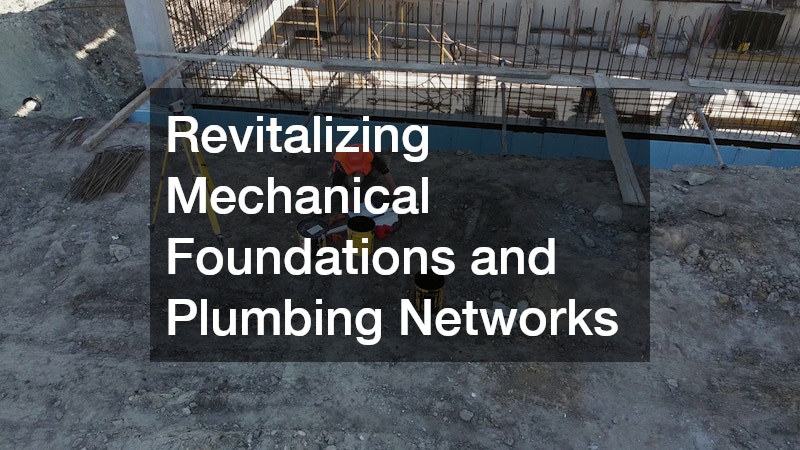
An investor can create the most beautiful interior space in the city, but if the temperature fluctuates wildly or the restrooms fail, tenants will break their leases. Mechanical systems and plumbing networks are the literal lifelines of a commercial property. When buying a value-add property, the existing climate control systems are often near the end of their operational lifespans. Working alongside reputable HVAC companies allows investors to assess the efficiency of existing chillers, boilers, and rooftop units. Replacing ancient, inefficient units with modern, high-efficiency systems drastically cuts energy waste and ensures consistent indoor air quality.
Simultaneously, the building’s waste and supply lines require serious attention. Commercial properties experience heavy usage, and hidden pipe corrosion can cause catastrophic business interruptions. Hiring a commercial plumber to scope the main sewer lines, update old fixtures with low-flow alternatives, and replace deteriorating copper or galvanized piping is essential. These upgrades prevent expensive emergency service calls down the road and reduce monthly water bills. When tenants know that the building’s heating, cooling, and water systems are brand new and professionally certified, their confidence grows, translating directly into higher tenant retention rates and predictable long-term cash flows for the ownership group.
Implementing Intelligence via Building Automation
In the modern real estate landscape, a truly premium building must do more than just house tenants; it must think for itself. Operational efficiency is where the real battle for profitability is won or lost. Manual management of lighting, heating, and cooling across a massive commercial space leads to staggering utility waste. To combat this, smart developers integrate centralized building automation systems into their renovation blueprints. These intelligent networks connect the property’s mechanical, electrical, and security infrastructure into a single, cohesive user interface.
Sensors track occupancy patterns, adjust temperatures in real-time, dim lights when natural sunlight is abundant, and alert property managers to maintenance anomalies before systems actually fail. This level of oversight gives investors an unprecedented tool for keeping operational expenses low. Furthermore, institutional buyers looking for stabilized properties pay a significant premium for buildings with integrated smart technology. A property that actively minimizes its carbon footprint and slashes its energy consumption is highly attractive in today’s market. By embedding intelligence into the building’s core operations, investors create a self-sustaining ecosystem that maximizes efficiency while offering a comfortable, high-tech experience that tenants actively seek out.
Protecting Intellectual Property and Asset Identity
As the physical transformation of the property nears completion, investors must shift their focus toward branding and legal protection. A successful value-add project relies heavily on repositioning the asset in the local marketplace. This often involves giving the building a distinct name, logo, and identity that resonates with a specific target demographic. However, creating a powerful brand carries inherent legal risks if another entity claims prior rights to similar names or concepts.
To mitigate this danger, developers should consult a knowledgeable trademark lawyer before finalizing any public-facing marketing assets or signage. This legal expert conducts thorough clearance searches to ensure the new brand name does not infringe upon existing registrations and then files the appropriate applications to secure exclusive rights. Protecting the property’s unique name prevents competitors from diluting the brand or launching copycat properties nearby. A secure brand increases the overall enterprise value of the asset, turning a simple physical address into a recognized regional landmark. By locking down the intellectual property early, the ownership group protects its marketing investments and establishes a solid, legally sound foundation for long-term equity growth.
Attracting High-Value Tenants Through Strategic Outreach
Once the building is safe, efficient, and legally protected, the final phase of the value-add playbook involves filling the vacancies with high-paying occupants. Even the most spectacular renovation will fail to deliver returns if it sits empty. Traditional leasing methods, such as hanging a simple banner out front, are no longer sufficient in a competitive business market. Modern lease-up campaigns require sophisticated, data-driven strategies that target decision-makers directly where they spend their time online.
Partnering with professional digital marketing agencies allows investors to execute hyper-targeted campaigns using search engine optimization, localized paid ads, and polished video walkthroughs. These marketing experts understand how to showcase the building’s new infrastructure, from the energy-efficient mechanical systems to the advanced technological amenities. A structured digital campaign generates high-quality inbound leads from business owners actively looking to relocate or expand. By building a robust pipeline of prospective tenants, the ownership group gains the leverage needed to negotiate favorable lease terms and select creditworthy occupants who will stabilize the property for years to come. Aggressive, modern marketing transforms the physical asset into a thriving hub of commercial activity.
Implementing Routine Operational Protocols for Asset Preservation
Maintaining the momentum of a successful commercial renovation requires strict adherence to ongoing operational protocols. Once the heavy construction wraps up, the property management team must transition from a reactive posture to a proactive maintenance strategy. Deferred maintenance is the primary reason commercial buildings lose value in the first place, and letting new systems degrade defeats the purpose of the initial capital expenditure. Establishing a detailed schedule for facility audits ensures that every new asset, from the security perimeter to the interior lighting grids, continues to operate at peak performance.
Regular inspections allow staff to catch minor wear and tear before it spirals into a costly emergency that disrupts tenant business operations. Additionally, clear communication channels must be established with tenants so they can report minor operational issues immediately. A well-managed building keeps tenants satisfied, protects the physical warranties of the newly installed equipment, and ensures that the investor’s hard-earned equity remains secure against the natural degradation of time. By treating maintenance as a core component of the investment strategy, owners preserve their property value.
The Exit Strategy and Maximizing Capital Gains
For many value-add investors, the ultimate goal of a commercial renovation project is a profitable exit. Whether the plan is to hold the asset within a private portfolio or sell it to an institutional buyer, maximizing the final valuation requires meticulous documentation. Buyers in the commercial sector do not just purchase brick and mortar; they purchase a predictable stream of cash flows backed by operational efficiency.
Providing clean accounting records, utility bills that prove the success of energy-saving upgrades, and verified service histories for all mechanical components creates immense buyer confidence. When an institutional investor sees that the building requires zero immediate capital investments and boasts stable, long-term tenants, they are willing to pay a premium compression on the cap rate. A flawless exit strategy rewards the initial investors for their calculated risks, creative vision, and operational diligence throughout the entire lifecycle of the property renovation.
The Value-Add Journey Simplified
Executing a commercial property renovation is a complex, multi-faceted journey that demands careful planning, financial discipline, and a dedicated team of professionals. By systematically upgrading the building envelope, modernizing core electrical and mechanical utilities, and embedding smart operational systems, investors can dramatically increase net operating income. When paired with strong legal branding and data-driven tenant acquisition strategies, an underperforming property transforms into a resilient, high-yielding asset. The commercial real estate market will always reward those who take the time to build value from the ground up, turning neglected structures into the foundations of community commerce. Through strategic investments and proper vendor management, any property can be turned into a long-term success story.