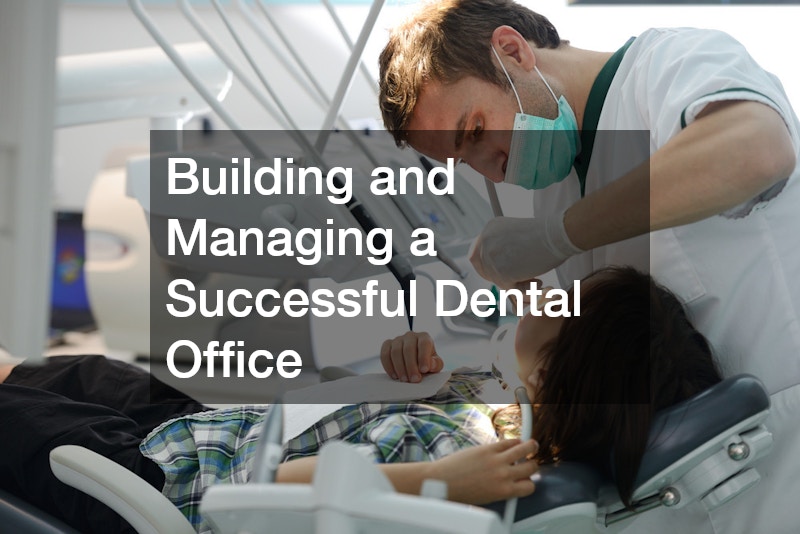
Running a dental practice involves far more than delivering clinical care. From the owner’s perspective, success is built through thoughtful leadership, strategic planning, and daily decisions that support both patients and staff. Every element of the practice, from the physical environment to internal workflows, plays a role in shaping how the office operates and how it is perceived. A well-run practice balances quality care with efficiency, consistency, and long-term vision.
Dental office ownership requires wearing many hats at once. Clinical responsibilities must align with business operations, team management, compliance, and patient experience. Small operational gaps can quickly affect scheduling, morale, or patient satisfaction if they are not addressed proactively. For this reason, strong leadership focuses on building systems that support reliability rather than relying on constant oversight or reactive problem-solving. When processes are clear and expectations are shared, the practice runs more smoothly and predictably.
This article explores the key areas that contribute to a successful dental practice from an owner’s point of view. Each section focuses on a foundational aspect of practice management, from defining purpose to supporting the people who deliver care.
Defining the Vision for the Practice
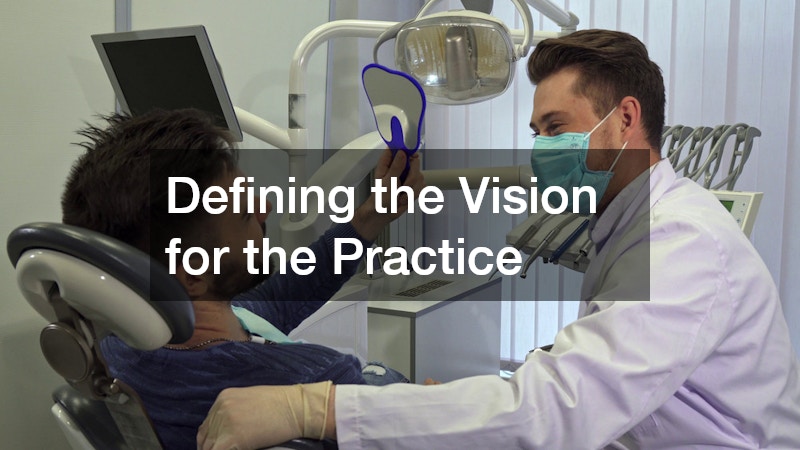
A clear vision sets the direction for every decision made within a practice. It defines what the practice stands for, how care is delivered, and what experience patients can expect. Without a well-articulated vision, operations can become reactive, leading to inconsistency and confusion among staff. A strong vision provides a framework that guides growth, reinforces standards, and keeps the practice aligned with its long-term goals.
Defining this vision requires looking beyond short-term metrics and focusing on purpose. What kind of care should patients associate with the practice? How should the team collaborate and communicate? These questions help shape policies, workflows, and priorities. When the vision is clear, it becomes easier to evaluate opportunities and challenges through a consistent lens rather than making decisions in isolation.
From an ownership standpoint, the vision should be reflected in every aspect of the dental office, from patient interactions to operational structure. Clear expectations, consistent messaging, and intentional design choices all reinforce the identity of the practice. When staff understand and support the vision, they are better equipped to deliver a unified experience. Over time, this clarity strengthens trust, improves efficiency, and helps the practice stand out for the right reasons.
Building a Strong and Reliable Team
A successful practice depends on the people who support it every day. Building a strong and reliable team involves more than filling roles; it requires creating an environment where individuals feel supported, valued, and aligned with the practice’s goals. Team stability improves communication, reduces errors, and contributes to a more positive experience for both patients and staff. When the team functions well, the entire practice benefits.
Strong teams are built through clear expectations, ongoing communication, and consistent leadership. Owners who invest time in training, feedback, and professional development help team members grow in their roles. Trust is reinforced when responsibilities are defined and support is readily available. This structure allows the team to work confidently and collaboratively, even during busy or challenging periods.
The role of dentists within the team is especially influential, as clinical leadership sets the tone for professionalism and care standards. When collaboration is encouraged and expertise is respected, the practice operates more smoothly. A cohesive team supports efficient workflows, better patient outcomes, and long-term retention. By prioritizing team strength, owners create a foundation that supports both operational success and sustainable growth.
Creating a Patient-Centered Experience
A patient-centered experience is one of the most important drivers of long-term success in a dental practice. From the owner’s perspective, every interaction shapes how patients perceive the practice, whether they are new visitors or long-term patients. Comfort, clarity, and consistency all play a role in building trust. When patients feel heard, respected, and well-informed, they are more likely to remain engaged in their care and return for future visits.
Creating this type of experience requires looking at the practice through the patient’s eyes. Clear communication, predictable processes, and a welcoming environment all contribute to reduced anxiety and increased confidence. Small details, such as how questions are answered or how delays are handled, can significantly influence patient satisfaction. A patient-centered approach also supports better clinical outcomes by encouraging follow-through and open dialogue.
The structure of a dental appointment is a key touchpoint in this experience. From scheduling to check-in, treatment, and follow-up, each step should feel organized and intentional. Providing clear explanations of procedures, timelines, and expectations helps patients feel more comfortable and informed. When appointments run smoothly and patients understand what to expect, the practice builds credibility and loyalty. Over time, a consistent focus on the patient experience strengthens relationships and reinforces the practice’s reputation.
Establishing Efficient Office Operations
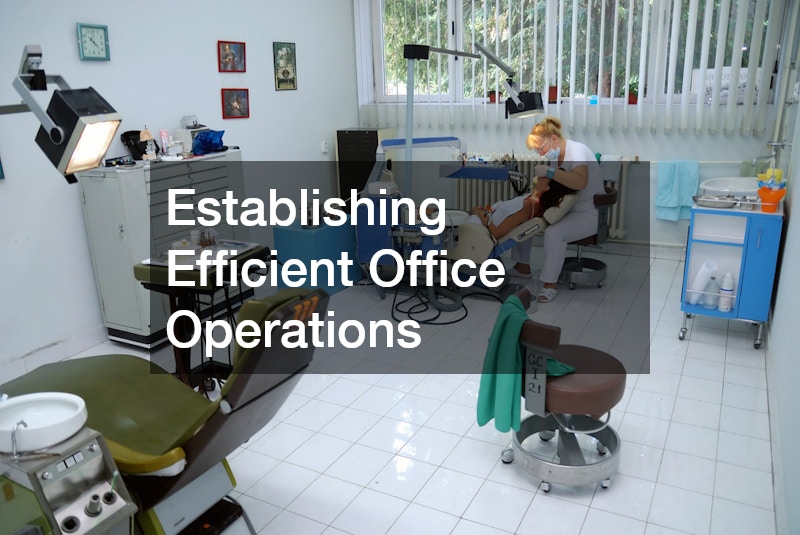
Efficient office operations are essential to maintaining consistency and reducing unnecessary stress within a dental practice. From an owner’s standpoint, operational efficiency allows the clinical team to focus on patient care rather than administrative challenges. Well-designed workflows support smoother scheduling, clearer communication, and better use of time and resources. When operations are streamlined, the entire practice functions more predictably.
Operational efficiency begins with clearly defined processes. Staff should understand their responsibilities, escalation paths, and daily priorities. Standardized procedures reduce confusion and help new team members integrate more quickly. Efficient systems also make it easier to identify bottlenecks or recurring issues that need adjustment. Over time, these refinements improve productivity and support a more balanced workload across the team.
Maintaining a clean and organized environment is a foundational part of effective operations. Reliable office cleaning supports infection control, patient confidence, and regulatory compliance. A consistently maintained space also reduces disruptions and allows the team to work more efficiently throughout the day. Cleanliness is not just about appearance; it directly supports safety, professionalism, and operational reliability.
Maintaining High Clinical Standards
High clinical standards form the backbone of a successful dental practice. From an ownership perspective, quality of care is not only a professional responsibility but also a critical business priority. Consistent standards protect patient safety, support positive outcomes, and reinforce the credibility of the practice. When clinical expectations are clear and consistently upheld, the entire team operates with greater confidence and alignment.
Maintaining these standards requires ongoing evaluation, education, and accountability. Clinical protocols should be reviewed regularly to reflect current best practices and evolving technology. Encouraging continuing education and open discussion helps the team stay informed and adaptable. A culture that values precision and continuous improvement supports both patient care and professional growth within the practice.
Specialized treatments further highlight the importance of clinical consistency. For example, services provided by an invisalign dentist require careful planning, accurate assessments, and clear patient communication to achieve predictable results. Maintaining high standards in these areas reinforces trust and supports successful outcomes.
Managing Scheduling and Workflow
Efficient scheduling and workflow management are critical to keeping a dental practice running smoothly. From an owner’s perspective, well-organized schedules reduce stress, limit downtime, and help the team maintain a steady pace throughout the day. When appointments are planned thoughtfully, the practice can serve patients effectively without overburdening staff or compromising care quality. Clear workflows also help minimize errors and improve communication between clinical and administrative teams.
Effective scheduling considers appointment length, procedure complexity, and team availability. It also leaves room for flexibility when unexpected needs arise. A well-structured schedule supports predictable days, balanced workloads, and better patient experiences. When workflows are clear, staff members know where to be, what to prepare, and how to transition smoothly between tasks.
The physical layout of workspaces can directly affect scheduling efficiency. Proper placement of office desks helps administrative staff manage check-ins, billing, and coordination without interruptions. When front-office workflows are supported by functional desk setups, communication improves and patient flow becomes more consistent.
Investing in Technology and Equipment
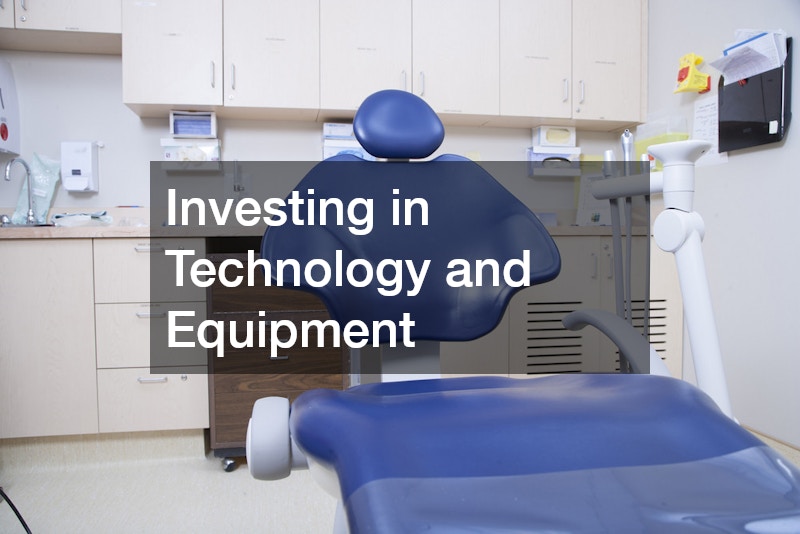
Investing in technology and equipment is a strategic decision that supports both clinical performance and operational efficiency. Modern tools help improve accuracy, reduce treatment time, and enhance the overall patient experience. From an owner’s standpoint, these investments should align with the practice’s goals and support long-term growth rather than short-term trends.
Well-chosen equipment improves reliability and consistency across procedures. Updated tools can also support better documentation, communication, and treatment planning. When technology is integrated thoughtfully, it helps the team work more confidently and efficiently. Ongoing evaluation of equipment performance allows owners to plan upgrades proactively and avoid unexpected disruptions.
Storage and organization play an important role in maximizing the value of new technology. Installing a custom cabinet helps protect equipment, improve accessibility, and maintain a clean clinical environment. Organized storage reduces setup time, supports infection control, and helps the team stay focused.
Supporting Staff Development and Retention
Staff development and retention are essential to building a stable and high-performing dental practice. From an owner’s perspective, investing in people supports consistency, reduces turnover, and strengthens team culture. Employees who feel supported and valued are more engaged, communicate more effectively, and contribute to a better patient experience.
Professional growth opportunities help staff stay motivated and confident in their roles. Training, mentorship, and clear advancement paths encourage long-term commitment. Open communication and recognition also play an important role in retention, as they help build trust and reinforce shared goals. When staff feel invested in the success of the practice, they are more likely to remain loyal and proactive.
The physical work environment also influences staff satisfaction. Working with an office furniture installer helps create ergonomic, functional spaces that support comfort and productivity. Well-designed work areas reduce fatigue and improve efficiency throughout the day.
Building Trust Within the Community
Trust is a cornerstone of long-term success for any dental practice. From an owner’s perspective, community trust is built through consistency, transparency, and genuine engagement rather than marketing alone. Patients are more likely to choose and remain loyal to a practice that feels approachable, professional, and aligned with their expectations. Every interaction, from phone calls to follow-up communication, contributes to how the practice is perceived within the community.
A strong presence extends beyond clinical care and into the physical environment patients encounter. Visual cues play a subtle but important role in shaping impressions. A welcoming, thoughtfully designed space can help patients feel more comfortable and confident before treatment even begins. Consistent branding and messaging reinforce familiarity and professionalism, supporting recognition over time.
Strategically placed wall graphics can help communicate values, highlight services, and create a calming atmosphere without overwhelming the space. When used intentionally, visual elements reinforce the practice’s identity and help patients feel connected to the environment.
Planning for Sustainable Practice Growth
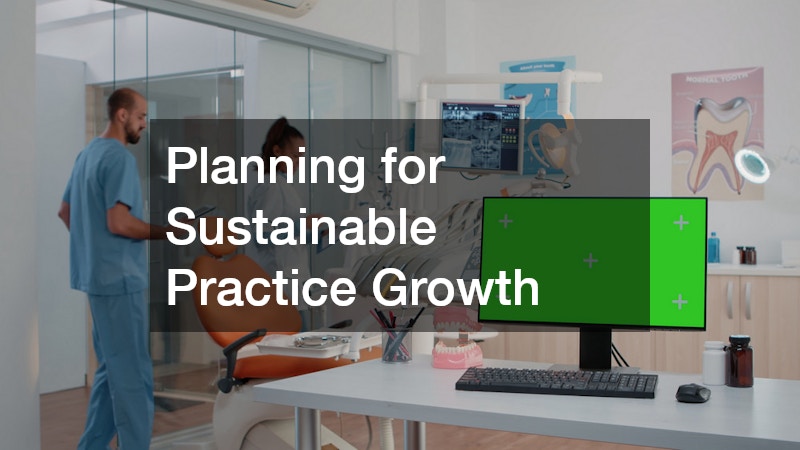
Sustainable growth requires planning that balances ambition with practicality. For a dental practice owner, growth is not just about increasing patient volume, but about expanding in ways that maintain quality, efficiency, and team stability. Thoughtful planning helps prevent overextension and supports steady progress that aligns with the practice’s long-term vision.
Growth planning involves evaluating space, staffing, workflows, and patient demand. Decisions should be guided by data, experience, and realistic projections rather than short-term pressure. Expanding services or adjusting layouts should enhance operations rather than disrupt them. When growth is intentional, it supports smoother transitions and better outcomes for both patients and staff.
The physical environment plays a significant role in accommodating growth. Investing in durable, adaptable office furniture allows spaces to evolve as needs change. Flexible furnishings support new workflows, improve comfort, and help the practice adapt without constant renovation. By planning for growth with both people and infrastructure in mind, practice owners create a foundation that supports long-term success without sacrificing stability.
Running a successful dental practice requires a balanced approach that combines clinical excellence with thoughtful business management. From defining a clear vision to supporting staff and engaging with the community, each decision contributes to the overall health of the practice. Owners who take a proactive, structured approach are better positioned to navigate challenges and adapt to change.
Strong practices are built on systems that support consistency and trust. Efficient operations, high clinical standards, and intentional investments in people and space all work together to create a reliable patient experience. When these elements are aligned, the practice can grow without compromising care or culture.