Every year, preventable workplace injuries cost businesses time, money, and trust, yet many safety programs exist only on paper. If you are trying to figure out whether a workplace is truly protecting the people who show up every day, it helps to know what genuine safety standards look like versus what merely checks a compliance box. This guide breaks down the practical, real-world elements that separate a workplace that talks about safety from one that actually delivers it. Whether you are a property owner, a small business operator, or simply researching best practices, understanding these fundamentals will help you make smarter, more informed decisions.
What Genuine Safety Standards Actually Look Like
Real workplace safety is not a binder sitting on a shelf or a poster in the breakroom. It is a living system of practices, checks, and habits that get reinforced daily, not just during an annual audit. The difference between paper compliance and true protection often comes down to whether safety measures are actually used and understood by the people on the floor. A workplace that takes safety seriously builds it into daily routines rather than treating it as an afterthought.
Employees can usually tell the difference within their first week on the job. If supervisors model safe behavior and correct issues immediately, workers tend to follow suit. If safety only gets mentioned after an incident, the culture is reactive rather than protective.
Starting With a Thorough Evaluation of the Workspace

Before any safety program can be effective, someone needs to understand the actual hazards present in a given environment. This is where a detailed condition assessment becomes valuable, since it identifies structural weaknesses, outdated equipment, and overlooked risks that daily operations might mask. A proper assessment looks beyond the obvious and examines flooring, lighting, ventilation, and equipment wear that could contribute to accidents over time.
A thorough walkthrough should also account for less visible factors, such as electrical panel access, emergency exit clearance, and the condition of fire suppression systems. Noise levels above 85 decibels, for instance, warrant hearing protection protocols, while poor air circulation in enclosed spaces can signal a need for mechanical ventilation upgrades. Even small details, like worn stair treads or flickering overhead lights, often point to bigger maintenance issues waiting to surface.
It helps to document findings with photos, measurements, and dated notes so patterns can be tracked over multiple inspections rather than treated as one-off observations. Involving employees who work in the space daily adds another layer of insight, since they often notice hazards that a walkthrough alone might miss. Combining their firsthand knowledge with a structured checklist ensures the assessment reflects real working conditions, not just a surface-level review.
These evaluations should happen on a regular schedule, not just after something goes wrong. A quarterly walkthrough is a reasonable baseline for most facilities, though warehouses, construction sites, and manufacturing floors with heavier equipment turnover may warrant monthly checks. Many injuries trace back to conditions that were flagged months earlier but never addressed — a loose railing, a blocked exit, worn flooring — small issues that quietly escalate.
Treating a condition assessment as a recurring checkpoint rather than a one-time event helps catch small problems before they become costly ones. Building in a simple tracking system, whether a shared spreadsheet or dedicated safety software, ensures flagged hazards get assigned an owner and a deadline instead of disappearing into a file. Consistency here matters more than complexity.
- Check structural elements like flooring, railings, and stairways for wear, cracks, or loose fittings that could cause slips or falls
- Review lighting levels in work areas and walkways, aiming for at least 50 foot-candles in general work zones and higher in detail-oriented tasks
- Inspect machinery and tools for signs of degradation, including frayed cords, worn belts, and missing safety guards
- Evaluate ventilation and air quality where fumes or dust are present, using gas detectors or particulate monitors to confirm levels stay within OSHA permissible exposure limits
- Assess emergency exits and pathways to ensure they remain unobstructed and clearly marked with visible signage
- Document findings so improvements can be tracked over time, using dated photos, checklists, and follow-up deadlines for each identified hazard
Why Surface Preparation and Cleaning Matter for Safety
Surfaces that are corroded, coated in old paint, or covered in industrial residue create hidden hazards, from slippery footing to weakened structural integrity. This is one reason many facilities rely on professional sandblasting services to strip away rust, old coatings, and buildup before applying new protective finishes. Clean, properly prepared surfaces are easier to inspect for cracks or weaknesses that could otherwise go unnoticed under layers of grime.
Beyond appearance, this kind of surface preparation extends the life of equipment and structures, reducing the chance of sudden failures. Facilities that neglect this step often find that rust and buildup mask early warning signs of deterioration. Investing in proper surface treatment is a preventative measure, not just a cosmetic one.
Protecting Employees Through Proper Equipment and Attire
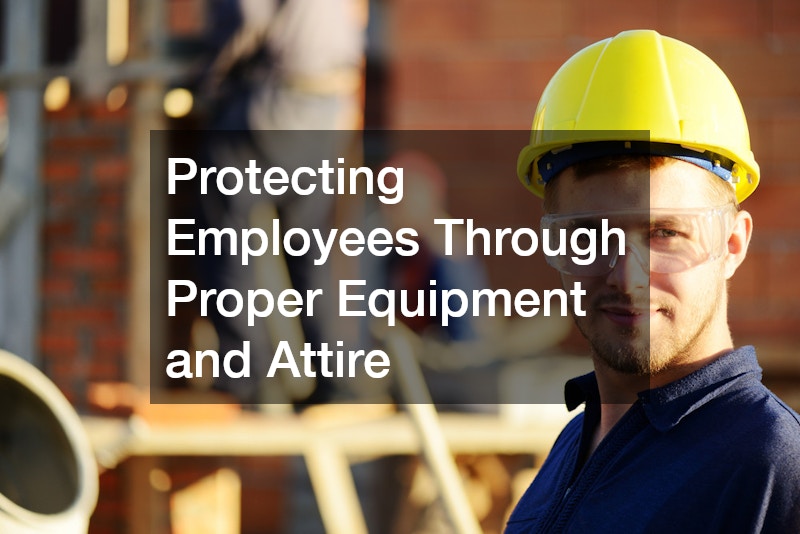
Personal protective equipment only works if it fits the job and the person wearing it. Ill-fitting gloves, boots, or protective gear can create new hazards instead of preventing them, which is why quality workwear matters as much as the safety rules themselves. A glove that’s too loose can get caught in machinery, while boots that are too tight can cause fatigue and balance issues on uneven surfaces.
Durable, well-fitted clothing designed for specific tasks reduces the risk of cuts, burns, slips, and repetitive strain injuries. Flame-resistant fabrics matter on job sites with welding or electrical work, while cut-resistant sleeves and gloves are essential for anyone handling sharp materials or operating blades. Slip-resistant soles rated for oil or wet conditions can make the difference between a routine shift and a costly fall.
Sizing shouldn’t be an afterthought, either. Offering a proper range of sizes, including options for different body types, ensures every employee gets gear that moves with them rather than against them. Regular inspections of workwear condition, checking for worn treads, frayed seams, or degraded padding, help catch problems before they turn into injuries.
Employers should also consider comfort and breathability, since workers are less likely to wear gear consistently if it feels heavy, stiff, or overheated during long shifts. Moisture-wicking fabrics, adjustable straps, and ventilated panels can make a significant difference in compliance rates, especially in outdoor or high-heat environments.
Safety attire needs to match the actual conditions of the job, whether that means flame-resistant fabric for welders, reinforced steel-toe footwear for warehouse staff, insulated gloves for cold storage work, or high-visibility markings for roadside crews. The right choice depends on a careful assessment of specific hazards rather than a one-size-fits-all policy.
Regularly replacing worn or damaged gear is just as important as providing it in the first place. Employers should establish clear inspection schedules — monthly checks for helmets and harnesses, for example — and set firm replacement timelines, since even small tears or frayed straps can compromise protection during an actual incident.
- Choose gear rated for the specific hazards of the task—cut-resistant gloves (ANSI A4+) for sharp materials, chemical-resistant suits for corrosive exposure, or flame-retardant clothing for heat and arc flash risks
- Ensure proper sizing to avoid snagging on machinery or restricted movement that slows reaction time
- Replace worn protective clothing before it fails, following manufacturer wear indicators rather than waiting for visible damage
- Provide high-visibility options (ANSI Class 2 or 3 vests) for low-light, high-traffic, or roadside work areas
- Stock a range of sizes, including women’s and youth fits, so PPE isn’t a one-size-fits-all afterthought
- Train workers on correct usage, not just provision of equipment, including how to inspect gear before each shift
- Reinforce training with periodic refreshers, since improper use of correctly issued PPE remains a leading cause of preventable injuries
Specialized Environments Require Specialized Precautions
Not every workplace faces the same risks, and safety planning should reflect that. A warehouse handling heavy freight has different needs than a retail environment like a jewelry store, where the primary concerns often shift toward secure storage, controlled access, and personal safety during transactions rather than heavy machinery. Recognizing these differences helps businesses avoid a one-size-fits-all approach that leaves gaps in protection.
For smaller retail spaces, safety planning might focus more on emergency exits, secure display cases, and staff training for handling stressful situations calmly. Even without industrial equipment, these environments still require clear protocols for what to do during a robbery attempt, fire, or medical emergency. Tailoring safety measures to the actual risks of the space is far more effective than applying generic checklists.
Maintaining Equipment to Prevent Accidents
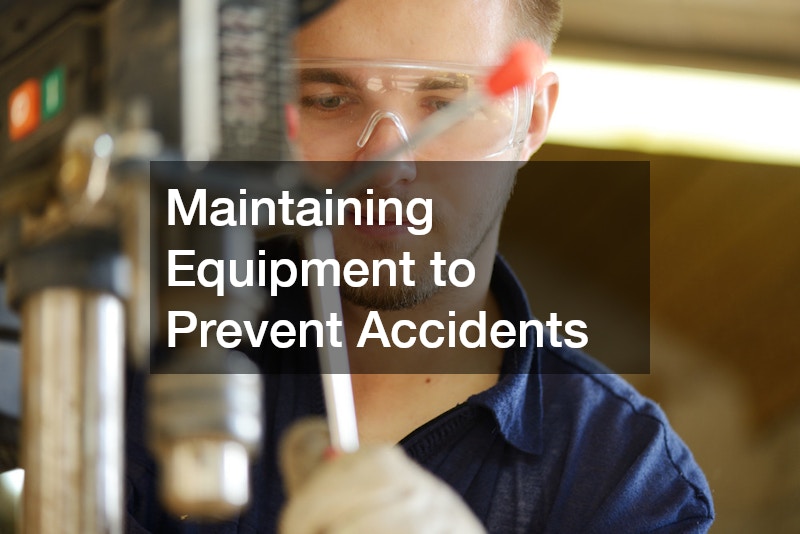
Worn or poorly maintained machinery is one of the most common contributors to workplace injuries, especially in industries involving cutting, grading, or heavy material processing. Metal fatigue, corrosion, and cumulative vibration damage often go unnoticed until a component fails under load, which is why proactive inspection matters more than reactive repair.
For example, operations that rely on carbon grader blades need routine sharpening and replacement schedules, since dull or damaged blades force operators to apply more pressure, increasing the risk of kickback or equipment failure. A blade that looks intact can still be structurally compromised, so visual checks should be paired with hands-on testing for edge wear, chips, and warping rather than relying on appearance alone.
Regular maintenance checks should be built into daily or weekly routines rather than left until something breaks. Daily pre-shift inspections might cover obvious wear points like blade edges, hydraulic hoses, and safety guards, while weekly checks can dig deeper into lubrication levels, bolt torque, and calibration accuracy.
Keeping a written maintenance log also matters, since it creates a documented history that helps identify recurring problems before they escalate into costly downtime or injury claims. Assigning accountability to a specific supervisor or technician for signing off on each inspection ensures the process doesn’t quietly slip through the cracks during busy production periods.
A simple maintenance log can make a significant difference in accountability and prevention. Recording the date, technician name, findings, and corrective action for every inspection creates a clear paper trail that holds both equipment and staff accountable. When equipment issues are documented and tracked, patterns become visible before they turn into serious hazards—a forklift that needs its brakes adjusted three times in two months, for instance, is signaling a deeper mechanical problem rather than routine wear.
Pairing logs with a preventive maintenance schedule, such as manufacturer-recommended service intervals or OSHA-aligned inspection checklists, ensures small issues get caught during routine checks rather than during an emergency shutdown. Many companies find that digital maintenance tracking software or even a shared spreadsheet works better than paper logs, since it can send automatic reminders and flag overdue inspections.
This proactive approach also tends to extend the usable life of expensive machinery, saving money alongside reducing risk. Well-maintained equipment can run 20-30% longer before requiring costly replacement, and it reduces unplanned downtime that disrupts production schedules. Over time, the log itself becomes a valuable resource for budgeting future capital expenditures and for demonstrating compliance during safety audits.
- Inspect blades, gears, and moving parts on a set schedule — daily visual checks, weekly lubrication reviews, and monthly deep inspections for high-use machinery
- Replace worn components before they fail, using manufacturer wear-limit specs rather than waiting for visible breakdown
- Keep maintenance logs accessible to all relevant staff, including date, technician name, parts replaced, and next inspection due date
- Train operators to recognize early signs of wear, such as unusual vibration, grinding noises, or slipping belts
- Shut down and tag out malfunctioning equipment immediately, and require sign-off from a supervisor before returning it to service
- Track recurring failures by machine to spot patterns that signal a need for upgrades or vendor replacement
- Schedule preventive maintenance during low-production hours to avoid rushed repairs under time pressure
Training Programs That Actually Change Behavior

Safety training often fails not because the information is wrong, but because it is delivered in a way that does not stick. Annual seminars with slideshows rarely change daily habits, especially compared to hands-on demonstrations and scenario-based practice. Effective training treats safety as a skill to be practiced, not just information to be memorized.
Short, frequent refreshers tend to outperform long annual sessions because they keep safety top of mind without overwhelming employees. New hires especially benefit from shadowing experienced coworkers who model safe habits in real time. Training should also be revisited whenever new equipment, processes, or hazards are introduced into the workplace.
- Use hands-on demonstrations instead of only lectures or videos
- Schedule short refresher sessions throughout the year
- Pair new employees with experienced mentors during onboarding
- Update training whenever processes or equipment change
- Encourage questions and real scenario discussions during sessions
Building a Culture of Reporting and Continuous Improvement
Workplaces that genuinely protect their teams make it easy and safe for employees to report hazards without fear of blame. When workers hesitate to speak up about a near-miss or unsafe condition, small problems tend to grow into larger incidents. A strong reporting culture treats every report as valuable information rather than a complaint to be dismissed.
Anonymous reporting options can help surface issues that employees might otherwise keep quiet about, especially in workplaces with rigid hierarchies. Leadership should follow up visibly on reported issues so employees see that their input leads to real change. Over time, this builds trust and encourages more consistent reporting, which strengthens the entire safety system.
- Offer anonymous or confidential reporting channels
- Respond to reports quickly and communicate outcomes
- Avoid punishing employees for raising honest concerns
- Review incident trends regularly to spot recurring issues
- Celebrate proactive reporting as a positive behavior, not a nuisance
Legal Compliance and Documentation
Beyond doing what is ethically right, businesses need to meet regulatory requirements that vary by industry and location. Keeping thorough documentation of inspections, training sessions, and incident reports protects both employees and the business if questions ever arise. This paperwork is not just bureaucratic red tape, it serves as a record of accountability that can guide future improvements.
Staying current with changing regulations requires periodic review, since safety standards are updated as new research and incidents inform best practices. Businesses that treat compliance as an ongoing responsibility, rather than a one-time certification, tend to avoid costly penalties and, more importantly, prevent injuries before they happen.
True workplace safety is built through consistent evaluation, proper equipment, ongoing training, and a culture where concerns are taken seriously rather than ignored. Whether you are assessing a warehouse, a retail space, or a small office, the same principles apply: know your risks, maintain your equipment and surfaces, protect your people with the right gear, and keep communication open. As you continue researching or evaluating a workplace, use these standards as a checklist to separate genuine safety commitment from surface-level compliance. Taking the time to ask the right questions now can prevent serious harm and costly setbacks down the road.