
When something breaks down at your property, the sticker price of the repair is rarely the full story. The real cost often hides in lost time, disrupted routines, safety risks, and the ripple effect one problem has on everything else around it. Whether you own a home, manage a rental, or oversee a small commercial space, understanding how downtime multiplies can help you make smarter decisions before a small issue becomes a major expense. This article breaks down the often-overlooked ways facility downtime adds up, so you can plan ahead instead of reacting in a crisis.
The Hidden Chain Reaction of a Single Breakdown

A single malfunction rarely stays isolated. A leaking pipe can damage flooring, which then affects electrical outlets, which can trigger a safety shutdown of an entire section of a building. Each stage adds its own repair timeline, contractor, and cost, turning one fix into three or four.
What starts as a minor inconvenience can spiral into a multi-day closure if the underlying cause is not addressed quickly and correctly. A $200 plumbing repair ignored for a week can easily become a $20,000 problem involving flooring crews, electricians, and inspectors before the space is cleared for use again.
The longer any single fault goes untreated, the more systems it touches, and the harder it becomes to trace the original point of failure once the damage has spread.
Property owners often underestimate how interconnected building systems really are. A single HVAC compressor failure, for example, doesn’t just mean an uncomfortable lobby — it can trigger humidity spikes that damage inventory, trip fire suppression sensors, and force IT rooms to throttle servers to prevent overheating.
That’s the nature of a chain reaction: one failure point creates cascading pressure on everything downstream. A tripped electrical panel might knock out refrigeration, which spoils product, which then halts production lines waiting on that inventory. What began as a $500 part failure can snowball into tens of thousands of dollars in losses within hours.
Understanding this chain reaction is the first step toward recognizing why fast, professional response matters more than trying to patch things temporarily. A quick fix that ignores the root cause often just delays the next, more expensive failure — and by then, the interconnected damage is harder and costlier to unwind.
When Your Roof Fails Everything Underneath Suffers
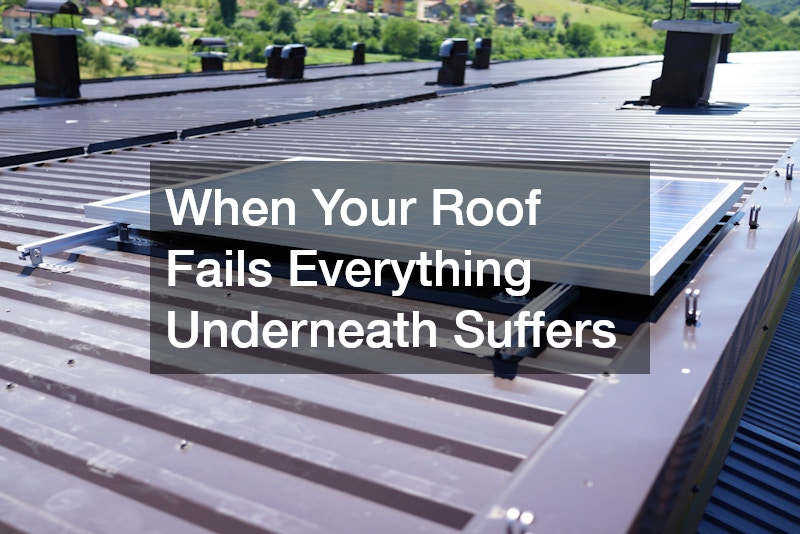
Roofing problems are deceptive because they often start small: a minor leak, a curling shingle, a soft spot near a vent, or a clogged drain that lets water pool after a storm. Left unaddressed, moisture works its way into insulation, drywall, and structural framing, causing damage that is far more expensive than the original fix would have been. What looks like a $200 patch job can quietly turn into a $20,000 repair once mold, rotted decking, and compromised electrical systems enter the picture.
The real cost isn’t just materials and labor. A failing roof can force you to shut down operations, relocate inventory, or rope off entire sections of a building while contractors assess the damage. Every hour equipment sits idle or employees can’t access their workstations adds to the bill, often dwarfing the cost of the repair itself.
Investing in commercial roofing inspections on a regular schedule, ideally twice a year and after major storms, is one of the most effective ways to catch these problems before they force a shutdown. A good inspection checks flashing, seams, drainage systems, and membrane integrity, areas where small failures tend to hide until they become structural emergencies. Pairing this with a documented maintenance log also helps with insurance claims and warranty coverage if damage does occur.
- Water stains on ceilings often indicate damage that has been developing for weeks or months, since it typically takes sustained moisture infiltration before it becomes visible on interior surfaces.
- Granule loss on shingles is an early warning sign of roof deterioration, and finding granules collecting in gutters or downspouts usually means the protective coating is already compromised.
- Sagging rooflines can signal structural issues that need immediate attention, potentially pointing to rotted decking, weakened trusses, or excessive weight from trapped moisture.
- Ponding water on flat roofs accelerates membrane breakdown, and any water still standing 48 hours after rainfall points to drainage problems that warrant prompt inspection.
- Rusted or cracked flashing around vents, skylights, and chimneys can create hidden entry points for water long before any interior damage appears.
Climate Control Problems Escalate Faster Than You Expect
When heating or cooling systems fail, the consequences go beyond discomfort. Extreme temperatures can damage inventory, disrupt electronics, and even create health risks for occupants, especially in extreme weather. A warehouse full of temperature-sensitive goods can suffer spoilage or degradation within hours, while server rooms and data centers can overheat in minutes once cooling stops, risking costly hardware failures.
The speed of escalation is what catches most facility managers off guard. A minor refrigerant leak or a failing compressor can seem like a small issue on Monday and turn into a full system shutdown by Wednesday, especially during peak summer or winter demand when equipment is already under strain.
A qualified commercial HVAC contractor can often identify early warning signs, like unusual noises, inconsistent airflow, or rising energy bills, before a full system failure forces an unplanned closure. Routine inspections and preventive maintenance agreements are typically far less expensive than emergency repairs, and they reduce the likelihood of a system failing at the worst possible moment, such as during a heat wave or a critical production run.
A minor refrigerant leak or a failing compressor rarely announces itself before it fails completely, and once it does, temperatures inside a facility can climb or drop by 10-15 degrees within hours. That kind of swing doesn’t just make employees uncomfortable; it can spoil inventory, trip safety thresholds for sensitive equipment, and force a partial or full shutdown until the system is repaired.
Preventive maintenance contracts tend to cost far less than emergency repairs, particularly during peak seasons when demand for technicians is highest and after-hours service calls can run two to three times the standard rate. A routine seasonal checkup might cost a few hundred dollars, while an emergency compressor replacement during a July heatwave can easily run into five figures once labor premiums, expedited parts shipping, and lost production time are factored in.
Scheduling seasonal checkups also extends equipment lifespan, which reduces the likelihood of a sudden, costly breakdown during the times you need reliable climate control the most. Simple tasks like coil cleaning, refrigerant level checks, and belt inspections can add years to an HVAC unit’s service life and catch small issues, like a worn bearing or a clogged filter, before they cascade into full system failures.
Electrical Issues Are Never Just an Inconvenience
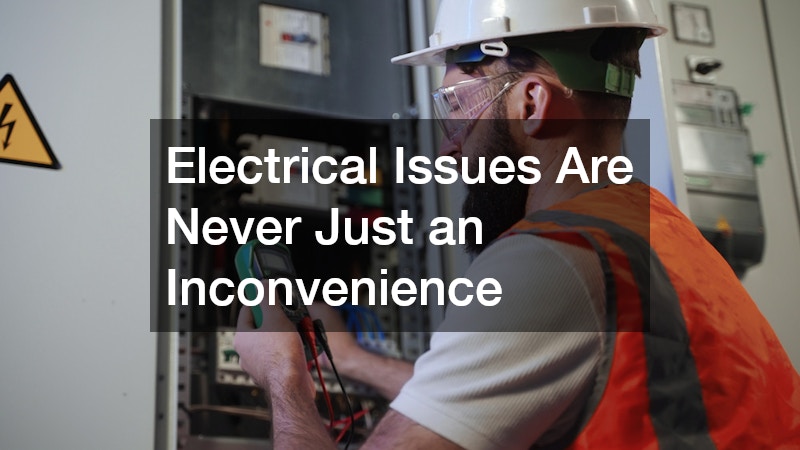
Flickering lights, tripped breakers, or warm outlets are not minor annoyances, they are warning signs of underlying problems that can escalate into fire hazards. Even a mildly discolored outlet cover or a faint burning smell near a panel can indicate arcing that has been building for months, unseen behind walls.
A licensed commercial electrical contractor can diagnose issues that go beyond what a simple breaker reset can fix, especially in older buildings with outdated wiring, undersized panels, or aluminum wiring installed decades ago. Thermal imaging scans and load capacity assessments can catch overheating connections long before they fail, often for a fraction of what emergency repairs would cost.
Ignoring these symptoms not only risks safety but can also lead to extended shutdowns while repairs are made under emergency conditions rather than planned ones. A scheduled panel upgrade might take a facility offline for a few hours overnight; a full electrical fire investigation and rebuild can shut down operations for days or weeks, along with insurance claims and code compliance reviews.
- Frequent breaker trips often indicate an overloaded circuit — a warning sign, not just a nuisance to reset and forget.
- Discolored or warm outlets and switch plates can signal overheating inside the wall, often before any visible smoke appears.
- Buzzing or humming sounds from panels should never be ignored; it usually means loose connections or arcing.
- Outdated wiring in older buildings increases fire risk significantly, especially aluminum wiring or systems installed before modern code updates.
- A persistent burning smell near outlets or panels warrants an immediate shutdown and inspection, not a wait-and-see approach.
- Flickering lights across multiple rooms can point to a failing main connection rather than a single faulty fixture.
Doors and Access Points Affect More Than Convenience
A malfunctioning door might seem like a low priority compared to bigger system failures, but broken locks, misaligned frames, or faulty automatic closers create real security and safety risks. Businesses relying on secure entry points cannot afford gaps in access control, and homeowners face similar risks with garages, storage areas, or secondary entrances. Professional commercial door hardware repair and installation ensures that hinges, closers, panic bars, and locking mechanisms function correctly, reducing liability and preventing unauthorized access.
Delaying door repairs often leads to bigger problems, like frames that warp further or hardware that fails completely at the worst possible moment. Addressing these issues early keeps entryways functional and secure, avoiding the disruption of an emergency lockout or a compromised access point.
Heavy Equipment Failures Can Halt Operations Entirely

For property owners who rely on machinery for maintenance, construction, or landscaping work, equipment downtime can bring an entire project to a standstill. Hydraulic cylinder repair is often needed when lifts, loaders, or presses lose pressure or leak fluid, and delaying this kind of repair usually leads to more extensive damage to seals and internal components. Catching these issues early keeps equipment running longer and prevents a small leak from turning into a full system replacement.
Larger projects sometimes require lifting heavy materials or equipment to elevated areas, which is where a reliable crane service becomes essential. Scheduling this kind of specialized equipment in advance avoids costly delays, since availability can be limited, especially during busy construction seasons. Planning ahead for these needs prevents last-minute scrambling that can add days or even weeks to a project timeline.
Structural Concerns Cannot Be Ignored or Delayed
Cracks in foundations, uneven floors, or bowing walls are signs that should never be dismissed as cosmetic. These issues often point to deeper structural instability that worsens over time, particularly after severe weather events, heavy equipment vibration, or gradual ground shifting. A hairline crack that seems harmless today can widen into a safety hazard within months if left unaddressed.
Warning signs also include doors or windows that suddenly stick, gaps forming between walls and ceilings, or visible sagging in support beams. Each of these details can indicate that the building’s load-bearing capacity is compromised, not just its appearance. Ignoring them risks sudden failures that force emergency shutdowns rather than planned maintenance windows.
Consulting a structural engineering professional early can mean the difference between a manageable repair costing a few thousand dollars and a full-scale rebuild running into six or seven figures. Routine structural assessments, especially after storms or seismic activity, allow facility managers to catch problems while options and budgets are still flexible.
- Cracks wider than a quarter inch, especially those running diagonally or growing over a few weeks, often indicate significant structural movement.
- Doors and windows that stick or no longer latch properly may signal foundation shifting or frame misalignment.
- Uneven or sloping floors, particularly dips exceeding half an inch over ten feet, can point to joist or beam damage.
- Visible gaps between walls and ceilings, or separation at crown molding, suggest structural settling that’s actively progressing.
- Musty odors or water stains near foundation walls often accompany structural issues and warrant immediate inspection.
- Any of these signs appearing together, rather than in isolation, dramatically raises the odds of a serious structural problem requiring engineer evaluation.
Waste Management Disruptions Add Up Quickly
Property downtime is not always about broken systems, sometimes it is about logistics failing at the wrong time. During renovations, cleanouts, or storm cleanup, having access to roll off dumpsters keeps debris from piling up and creating safety hazards or blocking essential work areas. Without a proper waste plan, projects stall while materials and trash accumulate, extending timelines and increasing frustration.
Routine operations depend just as heavily on consistent service. A missed pickup schedule for garbage collection can lead to overflow, pest problems, and unpleasant odors that affect tenants, employees, or family members. Reliable waste removal, whether for a one-time project or ongoing needs, is a small investment that prevents much larger headaches down the line.
Data and Paper Clutter Create Their Own Risks
Downtime is not always physical. Cluttered records, outdated files, and sensitive documents left unsecured create risks that are easy to overlook until a problem arises, like a data breach or a failed compliance audit. Scheduling regular document shredding not only frees up physical space but also protects sensitive personal or business information from falling into the wrong hands.
Many property owners wait until a move, renovation, or major cleanout to address years of accumulated paperwork, which often becomes an overwhelming task. Building a routine shredding schedule, whether monthly or quarterly, keeps this task manageable and reduces the risk of important information being lost, damaged, or exposed during other facility disruptions.
Downtime rarely announces itself in advance, but the warning signs are almost always there for those who know what to look for. By understanding how roofing, electrical, HVAC, equipment, structural, and waste issues connect to one another, you can catch small problems before they turn into expensive, disruptive emergencies. Take a walk through your property this week and note anything that seems even slightly off, then reach out to the right professional before it becomes a bigger issue. A proactive approach today is always less costly than an emergency response tomorrow.